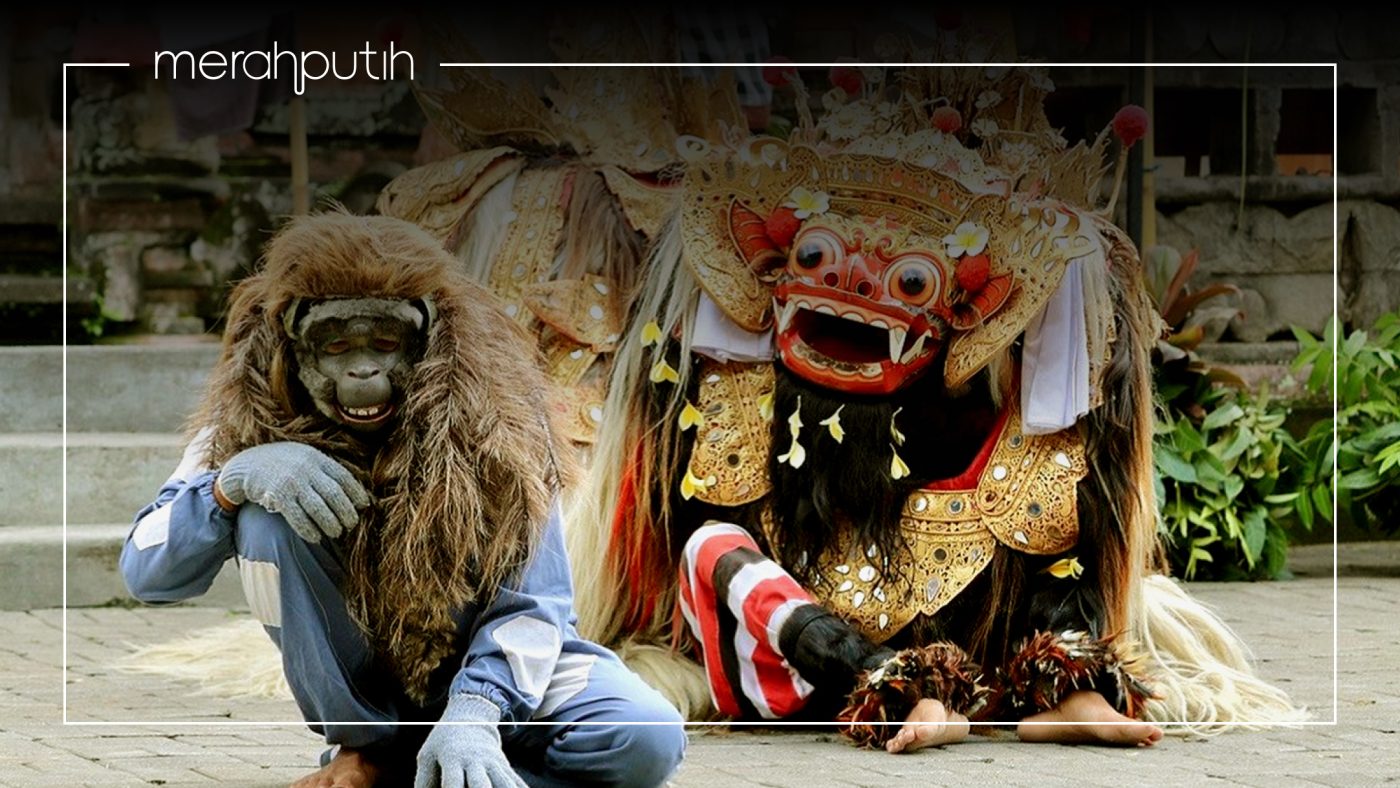

Bali’s beaches, mountains, and rice terraces may be the island’s main selling point, but its culture is just as captivating. Traditional dances are long ingrained in Balinese culture, with performances carrying great religious significance.
For those paying a visit to the island, be sure to catch one or two Balinese traditional dance performances. These shows offer a window into Bali’s soul and heritage. Dramatic to elegant, loud choruses to quiet chanting, there’s a Balinese dance for everyone.
Follow our guide to explore the must-see traditional dances in Bali and where you can experience these cultural performances.
Key Takeaways
- Kecak, performed by dozens of chanting male dancers with no gamelan music, retells the Ramayana story; best watched at Uluwatu Temple during sunset.
- Legong, danced by young women in gold costumes, tells romantic or mythological palace stories; performed at Ubud Palace.
- Barong depicts the battle between good (the lion-like Barong) and evil (the witch Rangda); daily performances are held in Batubulan village near Denpasar.
- Pendet, a welcoming dance where performers scatter flower petals from silver bowls, is held at temples and cultural centres across Bali.
- Since most performances take place in temples, modest dress is expected (sarongs and sashes are usually available to rent on-site), and photos are fine without flash.
Understanding Balinese dance traditions
Traditional Balinese dance is first and foremost a sacred art form. It’s tightly knit with Hindu religious ceremonies and Balinese cultural identity and influences. These dance performances serve multiple purposes: temple offerings, the passing down of old tales, and expressions of devotion.
Every gesture in a Balinese dance has meaning. Dancers are most often female, and they train from early childhood to master the distinctive eye movements, dramatic facial expressions, and precise finger articulations that the island’s dances are known for.
These performances fall into three main categories: sacred ceremonial dances performed at temples, semi-sacred performances suitable for religious and public contexts, and secular entertainment dances created primarily for audiences.
They are also performed to hypnotic music on the gamelan, a traditional Balinese instrument known for the complex melodies it creates.
Traditional Balinese dances you can’t miss
Kecak dance
One of Bali’s most popular tourist attraction is the Kecak dance, an extraordinary spectacle involving dozens of male performers sitting in concentric circles. They chant “cak-cak-cak” in hypnotic rhythms while waving their hands, as another group of dancers present the epic Ramayana story through movement.
Kecak in particular focuses on the episode of Rama’s quest to rescue his wife Shinta from the demon king Ravana, with the help of a monkey army led by Hanuman. Unlike other Balinese dances, this one doesn’t involve the gamelan, relying solely on the chants of the male choir to drive the tale forward.
Where to watch: the most iconic Kecak dance performance takes place in Uluwatu Temple twice every evening. Sitting at the amphitheatre, the dance unfolds with the sunset in the background, adding a dramatic backdrop to the mystical performance.
Legong dance
Legong is a Balinese traditional dance performed by young female dancers in elaborate golden costumes. This stylised dance requires years of training to master its intricate choreography and facial expressions.
Every gesture in this dance carries a specific meaning within the narrative, which tells a romantic or mythological story often featuring princesses, princes, and palace intrigue.
Watching Legong is a hypnotic experience. The synchronisation between dancers, often performing as a pair or a trio, is captivating. They move with mirror-like precision according to the gamelan music and complex rhythms.
Where to watch: Ubud Palace offers excellent Legong performances in an authentic royal setting, while the palace courtyard provides an intimate atmosphere where you can observe the dancers’ movements up close.
Barong dance
This dance presents one of Bali’s most important mythological narratives: the eternal struggle between good and evil. The main characters are Barong, a benevolent lion-like creature, and Rangda, a widow-witch.
This dramatic performance combines dance, theatre, and spiritual ritual. Compared to other traditional Balinese dances, this one errs on the darker, more mystical side. It’s also physically challenging. The Barong character requires two dancers operating an elaborate lion-like costume with bulging eyes, a moving jaw, and a body covered in thick fur.
In contrast, Rangda appears as a fearsome figure with long fingernails, wild hair, and a protruding tongue—the quintessential representation of evil in Balinese mythology. Her arrival creates dramatic tension as she uses black magic against Barong’s followers.
Where to watch: Just north of Denpasar, Batubulan village hosts daily Barong dance performances. Local troupes maintain high artistic standards, from the performance down to the costumes.
Pendet dance
Pendet was originally performed exclusively in temples as a devotional offering. However, in recent years it has evolved into a graceful welcome dance, performed to greet distinguished guests and tourists. Although it’s been adapted for public viewing, the Pendet dance retains its sacred character and spiritual elegance.
Young female dancers in traditional temple attire carry silver bowls filled with flower petals, which they scatter as offerings while performing flowing, welcoming gestures. The movements are gentle and graceful, with dancers maintaining serene expressions that reflect the dance’s devotional origins.
Where to watch: Temples and cultural centres throughout Bali hold Pendet performances year-round.
Planning Your Bali Dance Show Experience: Tickets, Schedules & Tips
Each of Bali’s iconic dance performances runs on its own schedule and pricing, so a little planning goes a long way. Here’s what to expect for each show.
- Kecak, Uluwatu Temple: two sessions every evening, at 6 PM and 7 PM, each lasting about an hour. Online dance tickets typically start from IDR 140,000 to 150,000 per adult. The temple entrance fee is charged separately (cash only) unless you book an all-inclusive package.
- Barong, Batubulan: daily performances, usually 9:30 to 10:30 AM, lasting about an hour. Tickets generally run IDR 100,000 to 150,000 depending on the venue, as several troupes perform in the village.
- Legong, Ubud Palace: performed nightly at around 7:30 PM, lasting about 90 minutes. Tickets are typically around IDR 100,000, bought at the entrance or from official vendors along the main road. Seating isn’t assigned, so arrive 30 to 45 minutes early for a good spot.
- Pendet: unlike the performances above, Pendet usually isn’t sold as a standalone ticketed show. You’re more likely to catch it as part of a temple ceremony (odalan), a hotel or resort welcome, or as the opening act before another dance performance, so it’s less something to plan around and more something to keep an eye out for during your trip.
A few practical tips before you go:
- Book online a few days ahead during peak season rather than relying on walk-up tickets.
- Bring cash for temple entrance fees and smaller, temple-run venues.
- Arrive by 4:30 to 5 PM for the Kecak sunset session to explore the cliffside grounds and claim a good seat, and keep an eye on your belongings as the resident monkeys are known for snatching sunglasses and phones.
More Balinese Dance Forms to Discover
While Kecak, Legong, Barong, and Pendet are undoubtedly iconic, Bali’s rich tapestry of traditional dances extends far beyond these popular performances. These lesser-commercialised dances, often performed in specific temple ceremonies or during significant cultural events, present a more intimate and authentic experience.
Baris Dance
A captivating warrior’s dance performed by male dancers, embodying masculine spirit and martial prowess. Fierce eye gestures and sharp weapon handling are choreographed to convey strength and courage, often depicting a soldier preparing for battle.
Topeng Dance
Masked performers portray characters from noble kings to mischievous clowns, often weaving moral lessons into the narrative. The masks themselves are considered sacred, believed to embody the spirit of the character they represent.
Sanghyang Dance
A trance dance performed as a ritual to repel evil spirits, often featuring young girls or boys in a state of spiritual possession. It offers an unparalleled glimpse into the sacred heart of Balinese performing arts.
Dress code and etiquette when watching traditional performances
As many Balinese dances take place in temples, modest clothing is always appreciated. If needed, some temples provide sarong and sash rentals at the entrance so that you can remain respectful while enjoying the show.
You may take photos and videos of the performances, but be respectful. Avoid using flash and obstructing other viewers. The performers dedicate years to mastering their art, and they deserve attentive, respectful audiences.
After immersing yourself in Bali’s spiritual and artistic beauty, continue the journey by exploring the island’s culinary offerings.
At Merah Putih restaurant in Seminyak, experience another dimension of Balinese cultural artistry. Our menu presents traditional Indonesian and Balinese dishes with the same attention to detail and respect for heritage that characterizes classical dance.
Book a table today with these special gift vouchers.

Give the Gift of Merah Putih
Treat someone special to an Indonesian dining experience like no other.
FAQ
The most iconic Kecak dance performance takes place in Uluwatu Temple twice every evening. Sitting at the amphitheatre, the dance unfolds with the sunset in the background, adding a dramatic backdrop to the mystical performance.
Bali has many traditional dances long ingrained in Balinese culture, with performances carrying great religious significance. Some of the most popular are Kecak, Legong, Barong, and Pendet.
Some performers may involve tourists to rise and take part in the dance during the show. There are also Balinese dance classes for tourists who want to experience just how intricate and meticulous these traditional movements are.
Prices vary by performance and venue. Kecak dance tickets at Uluwatu Temple typically start from around IDR 140,000 to 150,000 online, plus a separate temple entrance fee. Barong dance tickets in Batubulan are generally more affordable, often between IDR 100,000 and 150,000. Since third-party ticket prices can change, it’s worth confirming current rates with the venue or your tour operator before you go.