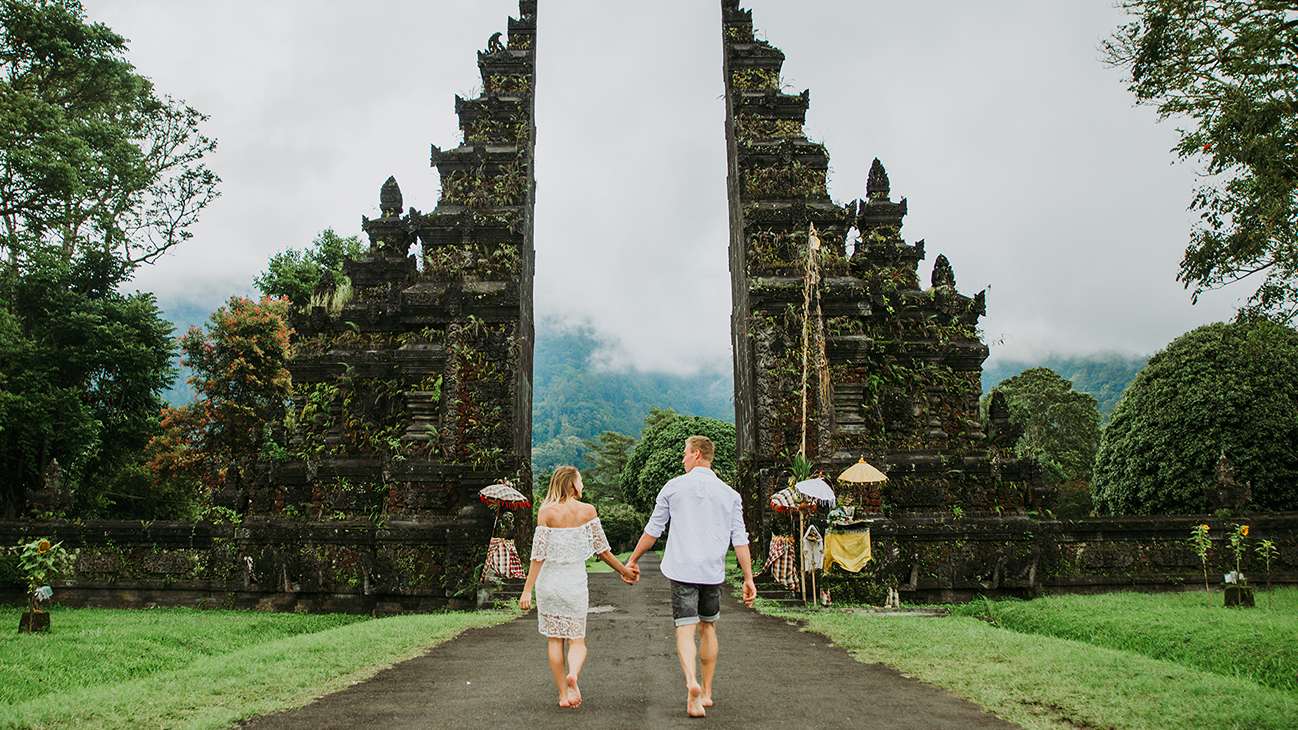

Over the last few years, Bali’s reputation has shifted. This is not to say that the island has lost its magic; it’s that the internet has flattened it to a highlight reel of the same rice terraces, infinity pools, and sunset cocktails.
The recent news about worsening traffic and overtourism may also be reason for the decline in public perception towards Bali. You may find travellers claiming that Bali is overrated for one reason or another. However, TripAdvisor has just named Bali the World’s Best Destination for 2026, placing the island above hundreds of competitors across the globe.
So which is it? Is Bali worth it, or is it an overhyped tourist trap dressed in Instagrammable aesthetics? To answer this question takes a deeper understanding.
Why some travellers may feel Bali is overrated
It’s important to be fair and acknowledge that the frustration that some visitors feel is not imaginary. Dismissing it entirely won’t help to plan a better trip.
Overtourism and overdevelopment has taken their toll
The most popular areas in Bali, namely Seminyak, Canggu, and increasingly Uluwatu and Ubud, have paid a steep price for their fame. Traffic in Canggu on a weekend afternoon can turn a 2km ride into a forty-minute ordeal. Cluttered signage and a parade of coworking spaces have replaced the rice fields that used to define the area’s charm.
Ubud’s Monkey Forest Road, once a cultural destination, now reads more like a souvenir strip. These are real, observable changes on the island.
Social media has curated and oversaturated the experience of Bali
On the other hand, social media has created an expectation gap. Influencers have compressed the best moments of their trip into a single impossible standard.
Travellers may arrive in Bali expecting a spiritual awakening between a yoga session and a waterfall hike, only to find themselves queueing in a long line for the exact same photo.
When reality doesn’t match the curated feed, disappointment fills the gap.
Travellers repeat the same circuit
A large share of visitors unknowingly come to Bali and visit the same locations: Tegallalang Rice Terrace, Tanah Lot, Uluwatu Temple, and Seminyak beach clubs. These destinations are usually the first to surface on every travel vlog and short-form video.
The itinerary is driven entirely by what’s viral, and individual experience becomes identical to everyone else’s. This sameness results in the “overrated” label.
The real issue is how individuals choose to experience Bali
The perception that Bali is overrated almost always says more about the way it was visited, rather than about the island itself.
Bali is not one destination. It’s a collection of eight different regencies, each with its own microculture, landscape, and pace. When travellers confine themselves to a small slice of South Bali’s tourist belt and leave underwhelmed, they’ve judged the island by a very tiny piece of it.
Bali still holds a Hindu culture unlike anything seen in Southeast Asia. From the daily offerings placed on streets and every doorway, to the gamelan orchestras still rehearsing in every banjar hall, none of Bali’s uniqueness has disappeared. It’s just been pushed slightly off the beaten path.
How to make Bali worth it
Set realistic expectations before you arrive
The things you see online may affect the way you view Bali but having realistic expectations before your trip can prepare you for what’s ahead.
It won’t look like a filter. It will be hot, sometimes chaotic, and traffic jammed in the south. If you accept these upfront, the things that do exceed expectations will impress you so much more.
A quiet morning at a temple, a conversation with a local painter in Ubud’s art market, the sound of the Indian Ocean from a clifftop. These are all the little things you’ll appreciate a lot more than what “wasn’t as advertised.”
Head north
Bali’s northern region is anchored by the town of Singaraja and is still very much untouched.
As you travel further up the map, the landscape shifts entirely. Black sand beaches at Lovina are calm and almost empty, the air is cooler in the highlands, and the waterfalls require a proper hike rather than a ticketed selfie spot.
Here, the pace is slower. Locals are more likely to stop and talk, and accommodation costs a fraction of the rates in the south.
Engage with the culture deliberately
Even in the south, you can skip the tourist traps that may have had people saying that Bali is overrated. Instead of a kecak performance, ask your accommodation to point you toward an odalan. If you’re lucky, these temple anniversary ceremonies may be happening at a temple near you.
You can also attend a cooking class run by a local family rather than a commercial school. History buffs, take a walk through a traditional village with a local guide who isn’t tied to a tour. They’ll be less likely to charge hidden fees at the end of the walk, and they can better explain about the culture’s compound architecture, caste system, and religion.
Of course, this isn’t to say that you should be recklessly asking strangers to take you around. It’s always important to be careful, but experiencing Bali for what it truly is requires a little more intention than just clicking “Book Now.”
Eat beyond the expat food bubble
Bali’s tourist belt is teeming with smoothie bowls and avocado toast. While there’s no wrong in indulging in these dishes, Bali is home to one of the most complex and rewarding cuisines and culinary traditions. Reducing your food experience to a Western brunch is a missed opportunity.
If you’re feeling adventurous, seek out a warung and order nasi campur, babi guling (suckling pig), or lawar (traditional minced meat and coconut dish). A full meal at a local establishment will cost much less than a café meal, and you’ll be tasting the real Bali.
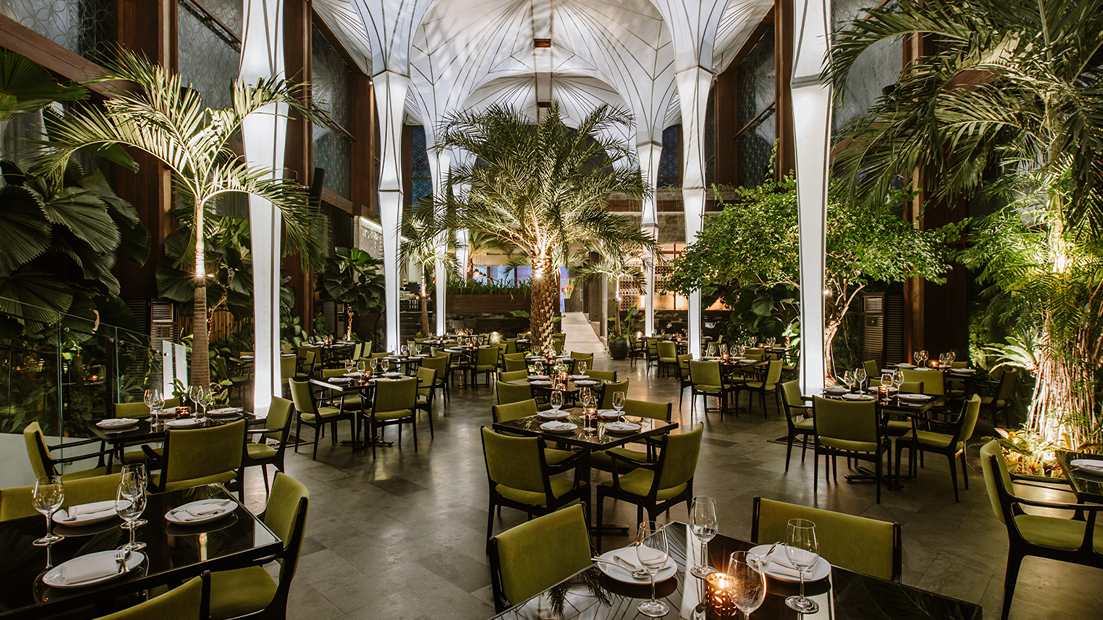
For those seeking the happy medium between modernity and tradition, Indonesian fine dining at Merah Putih may be your sweet spot.
Merah Putih takes the diversity of Indonesian regional cuisine and brings it together under one beautifully designed roof. Every dish is crafted with innovation and plated with finesse, elevating the same recipes that are available in warungs and markets across the archipelago.
Book a table at Merah Putih before your trip and be sure to prove that Bali isn’t the overrated destination the internet is making it out to be.

An Indonesian Dining Experience Like No Other
FAQ
The recent news about worsening traffic and overtourism in Bali may be a reason for the decline in public perception towards Bali. You may find travellers claiming that Bali is overrated for one reason or another. However, TripAdvisor has just named Bali the World’s Best Destination for 2026, placing the island above hundreds of competitors across the globe.
Despite the conversation online stating otherwise, Bali is still a destination worth visiting. The island is a collection of eight different regencies, each with its own microculture, landscape, and pace. Bali still holds a Hindu culture unlike anything seen in Southeast Asia. None of its uniqueness has disappeared. It’s just been pushed slightly off the beaten path.
The things you see online may affect the way you view Bali but having realistic expectations before your trip can prepare you for what’s ahead. It won’t look like a filter. It will be hot, sometimes chaotic, and traffic jammed in the south. If you accept these upfront, the things that do exceed expectations will impress you so much more.