
A trip to Bali is always a good idea. Whether you’re looking forward to relaxing by the beach, riding on the waves, exploring culinary delights, or witnessing diverse ocean life, the island has it all. Of course, these activities are all highly dependent on what the weather is like. Yes, Bali is paradise, but it’s also a tropical island with fluctuating climate patterns that may affect your holiday. Being prepared is the best way to still enjoy your time on the islan, rain or shine. So, here’s a guide of everything you need to know about the Bali weather to help you better plan your trip!
How geographic location affects Bali weather
Bali’s location near the equator contributes to its warm, tropical climate. Temperatures remain relatively consistent year-long, with variations depending on where you are on the island. However, this geographic placement is not the only factor affecting Bali weather.
The island lies in close proximity to Australia. Direct flights from major cities like Sydney and Melbourne take around 5 to 6 hours, while flights from Darwin will only take around 2 hours and 40 minutes. This relatively short distance between the two continents also greatly influences weather patterns.
Australian winter, which lasts between May to September, brings cool, dry air towards Indonesia, including Bali. Meanwhile, summer in Australia is from November to March. During this time of year, the warm, moist air from the Pacific Ocean causes higher humidity, increased rainfall, and more overcast skies in Bali.
Bali’s two major seasons
As a tropical island, Bali has two major seasons: dry season and wet season.
Dry season
Lasting from April to October, dry season is the most popular time for travellers to visit Bali. During this time of year, expect clear skies and the cool breeze from Australia, with temperatures ranging from 26° to 32° Celcius.
May is often the hottest month, and July and August the sunniest. Between June and July which is the peak of Australian summer, you will get lots of sun but also stronger winds. As it nears October, the weather will start to cool and rainfall will increase.
Rainy season
Bali’s rainy season is between November to March. This is when you will see heavy rainfall and high humidity, but the temperature will remain warm.
Despite the weather, Bali still welcomes a significant amount of visitors in December. This time of the year is considered one of the island’s high seasons in tourism, with people traveling in during winter breaks and school holidays.
Things to do during dry season
With the amount of sun and just the right level of windy, Bali’s dry season is the perfect time for travellers seeking to enjoy the island’s natural beauty.
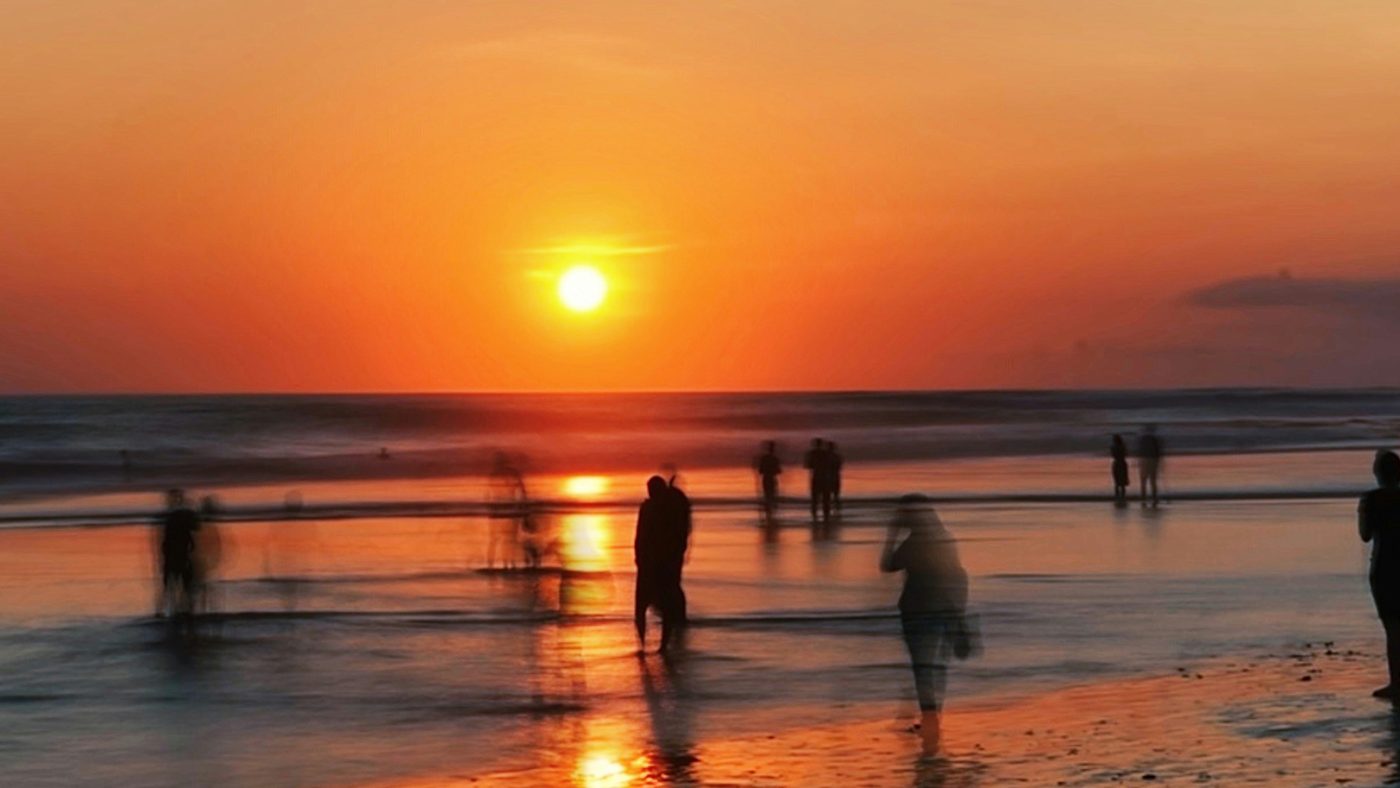
For those who travel to relax, sunbathing at the beach or lounging at a day club can calm you down and lift your spirits. This is also the perfect time to catch gorgeous sunsets, as the skies will mostly be clear and unobstructed by clouds.
The warm Bali weather during this period makes the island heaven for those seeking the thrill of adventure. Consistent southeast trade winds blowing offshore on the west coast of Bali make for clean breaks in beaches around Uluwatu, Canggu, and Padang Padang, perfect for surfing. Snorkelling, diving, and other water sports are also more enjoyable during dry season.
Out of the water, Bali also offers sprawling green scenery. You can enjoy the beauty of Bali’s rice terraces by trekking in Ubud or go on a hike up the famous Mount Batur fot the sunrise. There are also many adventure parks and water parks to spend a fun day in the sun with friends and family.
Things to do during rainy season
If you find yourself in Bali during wet season, fear not. Bali is a year-round paradise filled with countless activities to do, even when it’s raining. So, the weather shouldn’t deter you from still enjoying your holiday.
Instead of chilling beachside or poolside, opt for getting spa treatments or traditional massages indoors in the Seminyak or Canggu areas.
For those looking for some fun, Bali offers a number of indoor theme parks as well as indoor sports venues where you can boulder, trampoline, play a game of padel, or skate.
You can also dive into Balinese art and history by visiting museums and galleries. Many of these can be found as you travel further north. Additionally, you can take part in local cooking classes or craftmaking to further immerse yourself in the island’s rich culture.
Bali weather during rainy season also gives you the perfect opportunity to explore Bali’s culinary delights. For warm, hearty Indonesian food located at the centre of all the buzz, try Merah Putih Restaurant. This luxury restaurant is sure to spoil your tastebuds with innovative twists on local cuisine, including ever-beloved Balinese favourites. Be sure to book a table and use these exclusive gift vouchers beforehand.
Travel tips to face the Bali weather
Now that you’re armed with an array of activities for any occasion, here are some more tips to make the most of Bali no matter the weather.
Always check the weather forecast
Although Bali weather normally cycles between dry and wet season, it can still be unpredictable. Consulting your phone’s Weather app before leaving for the day can give you an idea of what to expect and help you plan your destination and clothing accordingly.
Be prepared for anything
During wet season, there may still be occasions where it rains in the morning and the clouds clear for the rest of the day. Because of this, it’s always handy to have sunscreen on you, even on days that seem overcast. That way, you’re always prepared for some beach time.
Conversely, you may be met with a smattering of rain during dry season. Pack an umbrella or a light raincoat with you just in case.
Related article: Navigating Peak Season in Bali
Pack appropriate clothing
Yes, you’re going on an island vacation, but that doesn’t mean you should only stuff your suitcase with bathing suits! Evenings in Bali can be quite chilly, especially in the dry season, and even more so if a motorbike is your mode of transport. So, be sure to still pack something to keep you warm.
Visit during off season
The weather in Bali transitions during shoulder months, which are between April – May and September – October. You’ll still get sun but also the occasional rainfall, and because there are no major holidays around this period of time, the island is generally quieter. During these times, prices for flights, accommodation, and activities will usually cost less.

Give the Gift of Merah Putih
Treat someone special to an Indonesian dining experience like no other.
Bali Weather by Month
While understanding Bali’s two seasons gives you a solid foundation, knowing what to expect month by month can help you fine-tune your plans even further. Here’s a breakdown of what the weather looks like throughout the year, along with the best places to visit and what to pack for each month.
Bali Weather in January ⛈️
January is Bali’s wettest month, with average temperatures around 26–28°C and humidity sitting high at around 82–85%. Expect frequent tropical downpours, usually in the afternoon, with rainfall averaging around 300–350mm for the month. Mornings tend to be clearer, so it’s worth making the most of the earlier hours.
Best places to visit: With beach days less predictable, January is a wonderful time to explore Bali’s cultural heartland. Head to Ubud for art galleries, rice terraces, and yoga retreats, or visit the island’s iconic waterfalls like Gitgit and Sekumpul, which are at their most dramatic during the rainy season.
What to wear and pack: Lightweight, breathable clothing is key — think cotton or linen. Pack a compact umbrella or light rain poncho, insect repellent, and closed shoes or sandals with good grip for slippery paths. Don’t forget sunscreen for when the sun does come out.
Bali Weather in February 🌧️
February continues the wet season trend with warm, sticky weather and frequent afternoon showers. Temperatures hover around 26–28°C with high humidity. Rainfall is still significant, though slightly lower than January. Ocean conditions can be rougher this month, which may limit water activities.
Best places to visit: February is a great month for a slower, more indulgent pace. Treat yourself to spa days and traditional massages in Seminyak or Canggu, or explore the cultural sites around Ubud and the highland villages of Sidemen for cooler, greener surroundings.
What to wear and pack: Stick to light, moisture-wicking fabrics. A rain poncho is a must, and quick-dry shoes are helpful if you’re planning to explore on foot. Insect repellent is especially important during the wet season.
Bali Weather in March 🌦️
March signals the tail end of the wet season, with temperatures rising to around 27–28°C and rainfall gradually decreasing as the month progresses. Afternoons can still bring heavy showers, but mornings are increasingly sunny. The landscape remains lush and green.
Best places to visit: This is a fantastic time to visit Bali’s rice terraces and waterfalls before the crowds of dry season arrive. March also coincides with Nyepi, the Balinese Day of Silence — a truly unique cultural experience where the entire island comes to a standstill for 24 hours. Check the date each year, as Nyepi follows the Balinese lunar calendar.
What to wear and pack: Summer clothes and swimwear, plus a poncho and insect repellent. Sturdy walking shoes are useful if you’re exploring waterfalls or rice terraces, where paths can still be muddy.
Bali Weather in April 🌤️
April marks the transition into dry season. Rainfall decreases noticeably and sunny days become more frequent, though you may still experience the occasional short shower. Temperatures range between 26–31°C with humidity around 79–80% — warm, but increasingly comfortable.
Best places to visit: With improving conditions, April is ideal for snorkelling and diving, particularly along Bali’s east coast around Amed and Tulamben. The calmer seas and clearer skies also make it a great time for beach days in Seminyak, Kuta, and Uluwatu.
What to wear and pack: Light shorts, T-shirts, and summer dresses. Pack walking shoes for day trips, swimwear, sunscreen, and a light layer for evenings, which can be breezy.
Bali Weather in May ☀️
May is one of the best months to visit Bali. It’s widely regarded as the start of consistently dry, sunny weather with temperatures peaking around 28–29°C. Humidity begins to ease and rainfall drops significantly, with only brief, light showers on some days.
Best places to visit: May is excellent for outdoor adventures across the island. Go diving at Nusa Penida, hike up Mount Batur for a spectacular sunrise, or spend the day island hopping. Beach clubs in Canggu and Seminyak start to buzz with activity, but it’s not yet peak season so it’s slightly less crowded than July and August.
What to wear and pack: Short sleeves, light fabrics, swimwear, and a hat for sun protection. Bring snorkel gear, durable shoes for hikes, and a light layer for cooler evenings.
Bali Weather in June ☀️
June offers near-perfect weather and is considered one of the best months to visit Bali. Temperatures sit comfortably around 26–27°C with low humidity and minimal rainfall. The southeast trade winds bring a pleasant cooling breeze, making even the sunniest days feel comfortable.
Best places to visit: This is a great time to experience Bali’s surf breaks around Uluwatu, Canggu, and Padang Padang, where offshore winds create clean waves. June also sees the beginning of the Bali Arts Festival, a month-long celebration of Balinese music, dance, and crafts that runs through July — well worth planning your itinerary around.
What to wear and pack: Lightweight cotton clothing, swimwear, hiking shoes, and sandals. The evenings can be pleasantly cool, so a light jacket or long sleeves are handy to have.
Bali Weather in July ☀️
July is one of Bali’s sunniest and driest months, making it peak tourist season. Temperatures range between 26–29°C with low humidity and an average of just four to five days of rain. Expect clear skies, cool breezes, and ideal conditions for just about every outdoor activity on the island.
Best places to visit: With the best weather of the year, everywhere in Bali is worth exploring in July. Uluwatu Temple at sunset paired with the Kecak fire dance is a highlight not to be missed. Beach clubs in Seminyak and Canggu are at their liveliest, and diving conditions around Nusa Penida and Menjangan Island are excellent. Note that popular spots will be busier than usual — book accommodation and activities in advance.
What to wear and pack: Lightweight beach clothes, a sun hat, sunscreen, sandals, and closed shoes for temple visits and hikes. Pack a light layer for evenings, which can get surprisingly cool with the breeze.
Bali Weather in August ☀️
August is statistically the driest month in Bali, with rainfall as low as 15–40mm and plenty of sunshine. Temperatures hover around 26–29°C and humidity remains low, making it arguably the most comfortable month weather-wise. It is, however, the busiest month for tourism.
Best places to visit: The conditions are ideal for beach days, water sports, and sunrise hikes. Tegallalang Rice Terrace in Ubud is stunning under clear skies, and the surf at Uluwatu is at its most consistent. If the crowds at Kuta and Seminyak feel overwhelming, head to the quieter eastern shores of Amed or Candidasa for a more relaxed experience.
What to wear and pack: Much the same as July — light, breathable clothes, sun protection, and sandals. A light jacket for evenings is still useful, and good walking shoes if you’re planning any hikes.
Bali Weather in September ☀️
September is another excellent month to visit, often praised as a sweet spot between peak season crowds and the approaching wet season. The weather remains dry and sunny with temperatures around 26–28°C, but the island is noticeably quieter as the school holiday rush begins to wind down.
Best places to visit: September is perfect for exploring Bali’s quieter corners — think the scenic coastal village of Candidasa on the east coast, the rice paddies of Sidemen, or a trip to the Nusa Islands. Diving conditions remain excellent around Tulamben and Menjangan Island.
What to wear and pack: Light summer clothes, swimwear, sun protection, and a light jacket for evenings. Comfortable walking or hiking shoes if you’re planning to explore inland areas.
Bali Weather in October ⛅
October is a shoulder month where the weather begins to transition. Temperatures stay warm at around 27–28°C, but you’ll start to see more clouds and occasional light rain showers as the wet season approaches. Humidity begins to creep back up, though overall conditions are still very pleasant.
Best places to visit: October is still a great time to visit. Diving around Menjangan Island in West Bali remains excellent, and the island is generally less crowded with more competitive prices on accommodation and activities. Ubud is particularly beautiful this month as the landscape starts to green up again.
What to wear and pack: Light clothing, swimwear, and sunscreen, with a compact umbrella or poncho tucked into your bag just in case. A light layer is handy for cooler evenings.
Bali Weather in November 🌦️
November marks the start of the wet season, with temperatures around 27–28°C and rising humidity. Rainfall picks up noticeably, though showers are typically short bursts rather than all-day rain. Expect occasional thunderstorms in the afternoons, with mornings often remaining sunny.
Best places to visit: Seminyak is a great base in November — you can make the most of the beach when skies clear and retreat to the area’s excellent restaurants, spas, and boutiques when the rain comes. Trekking to Mount Batur becomes less favourable this month, so save that for the drier months.
What to wear and pack: Lightweight, breathable clothes and sandals with a good grip for wet surfaces. A poncho is essential, and insect repellent becomes more important as the wet season settles in.
Bali Weather in December 🌧️
December is fully in the wet season, with regular rain showers mixed with sunny intervals. Average temperatures sit around 27–28°C with high humidity. Despite the weather, December is one of Bali’s busiest months due to the Christmas and New Year holiday period, so expect higher prices and larger crowds.
Best places to visit: The wet season is actually one of the best times for diving, with sites around Menjangan Island offering vibrant marine life. For a festive atmosphere, the Seminyak and Canggu areas come alive with holiday events and parties. If you’d rather embrace the lush scenery, the waterfalls and rice terraces around Ubud are particularly spectacular after heavy rain.
What to wear and pack: Light, breathable clothing, a rain poncho, and insect repellent. Book accommodation well in advance if you’re visiting over Christmas and New Year, as popular spots fill up quickly.
FAQ
Lasting from April to October, dry season is the most popular time for travellers to visit Bali. During this time of year, expect clear skies and the cool breeze from Australia, with temperatures ranging from 26° to 32° Celcius. May is often the hottest month, and July and August the sunniest.
Bali’s rainy season is between November to March. This is when you will see heavy rainfall and high humidity, but the temperature will remain warm.
The weather in Bali transitions during shoulder months, which are between April – May and September – October. You’ll still get sun but also the occasional rainfall, and because there are no major holidays around this period of time, the island is generally quieter. During these times, prices for flights, accommodation, and activities will usually cost less.
Instead of chilling beachside or poolside, opt for getting spa treatments or traditional massages indoors in the Seminyak or Canggu areas. There are also a number of indoor theme parks and sports venue for those looking to get active. For the cultural buff, Bali offers plenty of museums and art galleries as well as cooking and craftmaking classes to further immerse yourself in the island’s rich culture. For warm, hearty Indonesian food located at the centre of all the buzz, try Merah Putih Restaurant. This luxury restaurant is sure to spoil your tastebuds with innovative twists on local cuisine, including ever-beloved Balinese favourites. Be sure to book a table and use these exclusive gift vouchers beforehand.