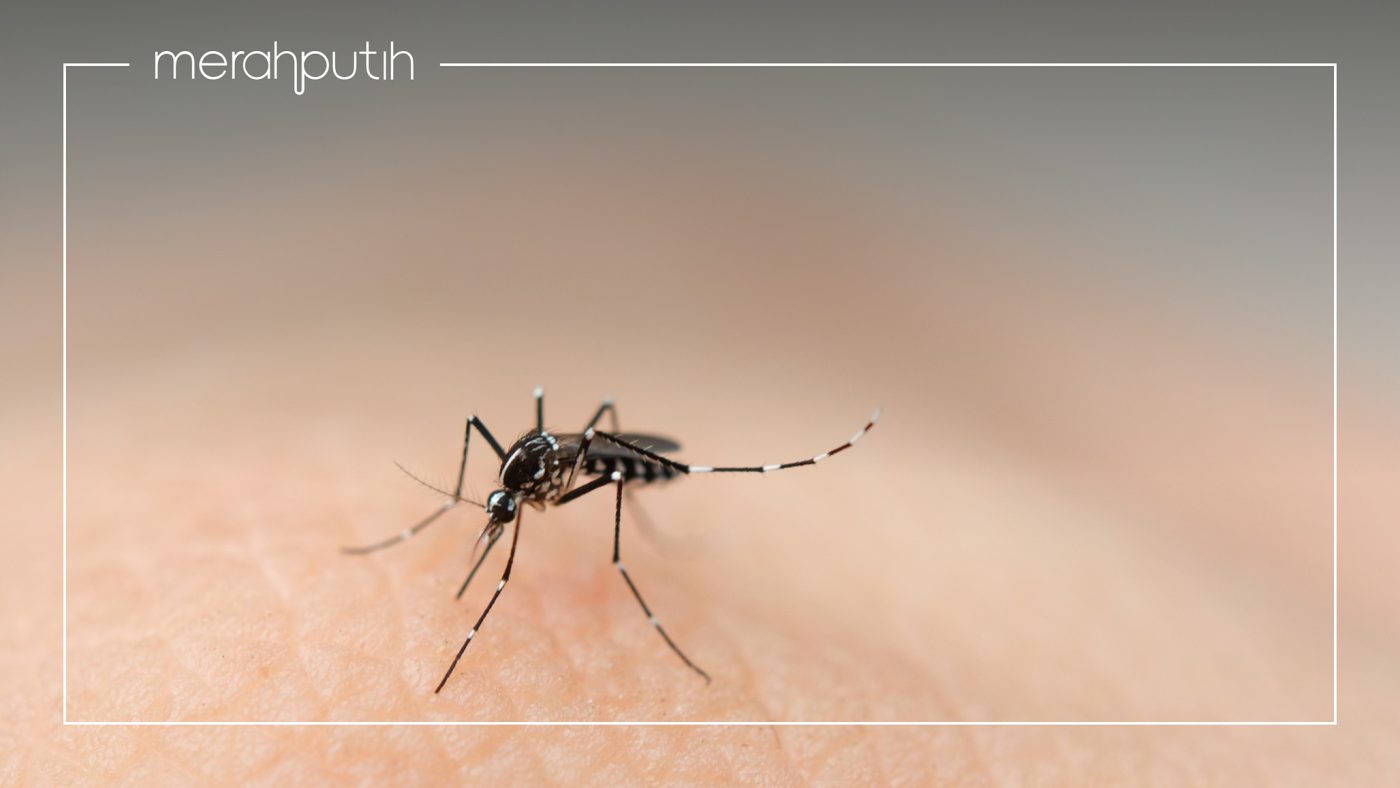

Being a tropical island, Bali is no stranger to mosquitoes. While these tiny insects are mostly harmless, some may cause worse symptoms than others, making them more than just a minor annoyance during your vacation. Since mosquito bites are one of the most common bug bites in Bali, travellers need to be aware of these insects and what to do to prevent being bitten.
Understanding the mosquito situation in Bali and taking proper precautions will help ensure your trip remains comfortable, allowing you to enjoy everything this beautiful island has to offer.
Key Takeaways
- The most effective mosquito repellents for Bali contain DEET, picaridin, or Oil of Lemon Eucalyptus (OLE/PMD), the only active ingredients recommended by the CDC, but these aren’t suitable for children under 3, who need an age-formulated repellent confirmed safe by a paediatrician.
- Dengue risk in Bali peaks during the wet season, from October to April, when rain leaves behind stagnant water that mosquitoes use to breed rapidly, so removing standing water around a villa or guesthouse is one of the most effective ways to cut local mosquito numbers.
- Tourist hubs like Seminyak, Ubud, and Sanur have healthcare facilities with English-speaking staff, making it straightforward for travellers to get treated if dengue-like symptoms appear.
Are mosquitoes in Bali dangerous?
Generally, mosquitoes in Bali aren’t inherently dangerous. They drain very little blood with every bite, and symptoms are usually light. Irritation and itching will go away within 1-2 days, or quicker with medication.
However, the real issue is that they carry mosquito-borne illnesses such as dengue fever and malaria, and in rare cases even chikungunya. These are serious conditions you won’t want to experience during a tropical holiday in Bali.
While the likelihood of contracting these diseases is relatively low, it’s important to remain vigilant and prepared.
How likely is it to get dengue fever from mosquito bites in Bali?
Dengue fever does occur in Bali, particularly during the rainy season when mosquito populations increase. However, travellers who take proper precautions are less likely to contract this disease. The risks vary depending on the area you’re visiting and the time of year.
Where are mosquitoes most prominent in Bali?
Mosquitoes lurk everywhere in Bali except the beach, as the winds are too strong for them to navigate comfortably. However, be wary of areas with stagnant bodies of water, forests, or regions with dense trees, as these will almost certainly be home to mosquitoes. Rice paddies, jungle areas, and water temples are particularly high-risk zones.
How to avoid mosquito bites in Bali
Prevention is always better than treatment when it comes to insect bites. The following are the most effective ways to protect yourself from mosquitoes during your Bali vacation.
Regularly apply mosquito repellent
The most straightforward defense against Bali’s mosquitoes is a quality insect repellent. You can purchase these at any supermarket, minimart, or drugstore across the island. They come in both spray and lotion form, and there are plenty of DEET-based and natural alternative products.
If you’re going for a natural repellent, choose products containing eucalyptus oil or citronella. Reapply every few hours for maximum protection.
Natural mosquito repellents: what actually works
For those who prefer plant-based options, not all natural repellents are equal. The active ingredient matters far more than the label.
Oil of Lemon Eucalyptus (OLE) is the only plant-based repellent the CDC recommends alongside DEET and picaridin. Look for products that list OLE or PMD (para-menthane-3,8-diol) as the active ingredient with an EPA registration number. When properly formulated, OLE can provide up to six hours of protection. Note that OLE is not the same as lemon eucalyptus essential oil, which has not been tested or registered as a repellent and should not be used as a substitute.
Citronella-based products are widely available in Bali and work as a short-term deterrent, but their protection window is around 20 to 30 minutes, making them less practical as a primary repellent unless you reapply very frequently. Lavender, peppermint, and tea tree oil offer some mild deterrent effect but are not recommended as standalone protection in a dengue-risk environment.
Avoid peak mosquito hours
Mosquitoes in Bali come out to play during dawn and dusk, when temperatures are cool but humidity remains high. These twilight hours are when you’re most vulnerable to bites.
If you’re particularly sensitive, stay indoors during these times, or at the minimum ensure that you’ve applied repellent and are wearing protective clothing.
Wear protective clothing
Long sleeves, socks, and anything that covers your skin provides a physical barrier against mosquito bites. Although Bali’s heat may make you hesitant to cover up, choosing lightweight, breathable fabrics like linens makes this approach comfortable.If possible, wear light-coloured clothing, as mosquitoes are attracted to darker colours.
Put up mosquito nets
Most quality accommodations in Bali are designed to have indoor spaces that lead outdoors. While this creates a beautiful, airy space, it also means mosquitoes can easily enter your room.
Many hotels and villas already provide mosquito nets over beds, but if yours doesn’t, you can put up mosquito nets in the evening to protect yourself in your sleep. These are available at local markets and pharmacies and are relatively inexpensive.
Get rid of stagnant water
If you’re staying in a villa or guesthouse, check your accommodation for any containers or areas where water collects. Stagnant water is the primary breeding ground for mosquitoes, so eliminating these sources will reduce the mosquito population around your accommodation.
What to pack for mosquito protection in Bali
If you want to arrive fully prepared, a few items are worth packing from home rather than sourcing on arrival.
- A travel-sized repellent in your preferred formulation (DEET-based or OLE/PMD if you prefer plant-based). While repellents are widely available across Bali, specific brands or concentrations can be harder to find.
- Lightweight, long-sleeved shirts and loose trousers in light colours. These are practical for evening excursions, temple visits, and rice paddy walks where mosquito exposure is higher.
- A small after-bite cream or hydrocortisone ointment for any bites you do get. These are available at Bali pharmacies but having one on hand from arrival saves the search.
- A portable plug-in mosquito diffuser if you want an extra layer of protection in your room, particularly useful for open-plan villas without screens.
- For families travelling with infants or young children, bring repellents specifically formulated for their age group and confirmed safe by your paediatrician before travel. Do not use OLE, PMD, or standard DEET products on children under 3.
Choosing mosquito-conscious accommodation in Bali
Your accommodation choice is one of the easiest ways to reduce mosquito exposure passively. Before booking, look for:
- Screened windows and doors, or air conditioning (mosquitoes avoid cool, moving air)
- Mosquito nets provided over beds, especially in open-plan villas
- Evidence of regular fogging or pest control of the grounds
- Recent guest reviews that do not flag mosquito issues — travellers in dengue-endemic areas tend to mention this clearly
Once you arrive:
- Deploy nets correctly and check them for holes before sleeping
- Keep unscreened doors and windows closed during dawn and dusk
- Ask staff about any electric mosquito repellent devices available for your room
- For villas with gardens or pools, ask whether the property removes stagnant water regularly. This one measure reduces the local mosquito population more than most other interventions combined
How to treat mosquito bites in Bali
Despite every preventative measure, you may still find yourself bitten every once in a while. When this happens, this is how you can minimise discomfort.
For minor mosquito bites
Resist the urge to scratch the area as this can lead to infection. Instead, wash the area with soap, and then apply a cold compress to reduce swelling and numb the itch.
You can also purchase anti-itch creams that provide effective relief from bug bites. These are available at pharmacies on the island. Natural remedies like aloe vera gel can also help soothe irritated skin.
When to seek medical attention
Watch for signs of infection like increased redness, swelling, warmth, or pus. If you start developing a fever, severe headache, body aches, or any unusual symptoms up to two weeks after the bite, it’s best to get professional help. It’s good to note that dengue fever symptoms in particular usually appear 4 to 10 days after being bitten.
Bali’s healthcare facilities in tourist areas like Seminyak, Ubud, and Sanur, accommodate to international visitors with English-speaking staff.
Enjoying a mosquito-free Bali experience
Where you dine can also put you at risk of mosquito bites. Warungs and local markets are mostly semi-outdoors or have open windows to let in the breeze. Be sure to have extra protection when dining in these establishments.
Of course, you’ll be mosquito-free when enjoying a meal indoors, including at Merah Putih restaurant in the heart of Seminyak. The restaurant’s interior is designed to replicate an indoor garden, complete with tall palm trees and a water fixture. However, rest assured that you’ll be safe from any pesky insects!
Book a table with gift vouchers today and enjoy your fine dining Indonesian meal in this gorgeous space.

Give the Gift of Merah Putih
Treat someone special to an Indonesian dining experience like no other.
FAQ
Dengue fever does occur in Bali, particularly during the rainy season when mosquito populations increase. However, travellers who take proper precautions are less likely to contract this disease. The risks vary depending on the area you’re visiting and the time of year.
Dengue fever symptoms in particular usually appear 4 to 10 days after being bitten.
Mosquito bites are one of the most common bug bites in Bali, so travellers need to be aware of these insects and what to do to prevent being bitten.
Oil of Lemon Eucalyptus (OLE) is the only plant-based repellent recommended by the CDC. Look for products that list OLE or PMD as the active ingredient with an EPA registration number, which indicates the product has been tested for safety and efficacy. Citronella products are widely available in Bali and work as a short-term option but need very frequent reapplication to maintain any protective effect.
Mosquitoes are present year-round in Bali but are most active and numerous during the wet season, which typically runs from October to April. This period also sees higher dengue fever risk. That said, mosquito precautions are advisable at any time of year, particularly at dawn and dusk and in areas near rice paddies, rivers, and dense vegetation.
Bali is generally safe for families, but extra care is needed for infants and young children who are more vulnerable to mosquito-borne illnesses. Use repellents specifically formulated and approved for their age group, as many standard repellents including OLE, PMD, and high-concentration DEET products are not suitable for children under 3. Consult your paediatrician before travel to confirm which products are appropriate. Mosquito nets over cots or prams and light protective clothing add further protection without relying on repellent chemistry.