
Did you know that Bali is the only place in the world where the international airport shuts down for 24 hours? This remarkable phenomenon happens every year on Nyepi, the Balinese New Year tradition which is often referred to as the Day of Silence.
It’s not just the airport that shuts down; the entire island comes to a complete standstill. This total shutdown also halts tourism, but the uniqueness and stillness of this tradition has become a popular reason to visit Bali. For travellers seeking an authentic cultural experience, Nyepi in Bali offers a rare glimpse into the island’s profound spiritual heritage.
What is Nyepi?
Nyepi is the pinnacle of the celebration of the Balinese New Year according to the Saka calendar. This dating system is an ancient lunar calendar system religiously observed by the Balinese and differs significantly from the Gregorian calendar used in most of the world. In the Saka calendar, Nyepi falls on a different date each year, typically occurring in March.
This Balinese holiday involves 24 hours of island-wide silence, during which no public activities are permitted and no noise allowed. The entire island turns into a ghost town, as leaving your home or accommodation is prohibited.
So why do the Balinese observe the New Year in this way?
The spiritual relevance of Nyepi in Bali
Nyepi is more than just staying quiet for a day. In Balinese Hindu philosophy, the world and humankind accumulate negative energy through daily activities, conflicts, and the general chaos of modern life.
The purpose of Nyepi then is to is to purify the earthly and spiritual realms from the negative energies accumulated over the past year. It also acts as a reset button for both the environment and the human spirit.
This religious observance also encourages individuals to prepare personally for the year ahead through spiritual cleansing and self-reflection. Twenty-four hours of complete stillness offers a rare opportunity to disconnect entirely from the world around us and look inward.
Additionally, this Balinese holiday is also a chance for the island’s nature and the spiritual realm to restore balance between good and evil.
Balinese Hinduism recognises that both light and darkness exist in the universe, and Nyepi symbolises cleansing, renewal, and letting go in order to greet the New Year with a fresh start. This is why Nyepi in Bali is merely the peak of the New Year traditions. There is a string of rituals and celebrations leading up to the Day of Silence, each with its own significance.
Rituals leading up to Nyepi
The days before Nyepi are filled with preparation and ceremonies that contrast dramatically with the Day of Silence that follows.
A. Melasti
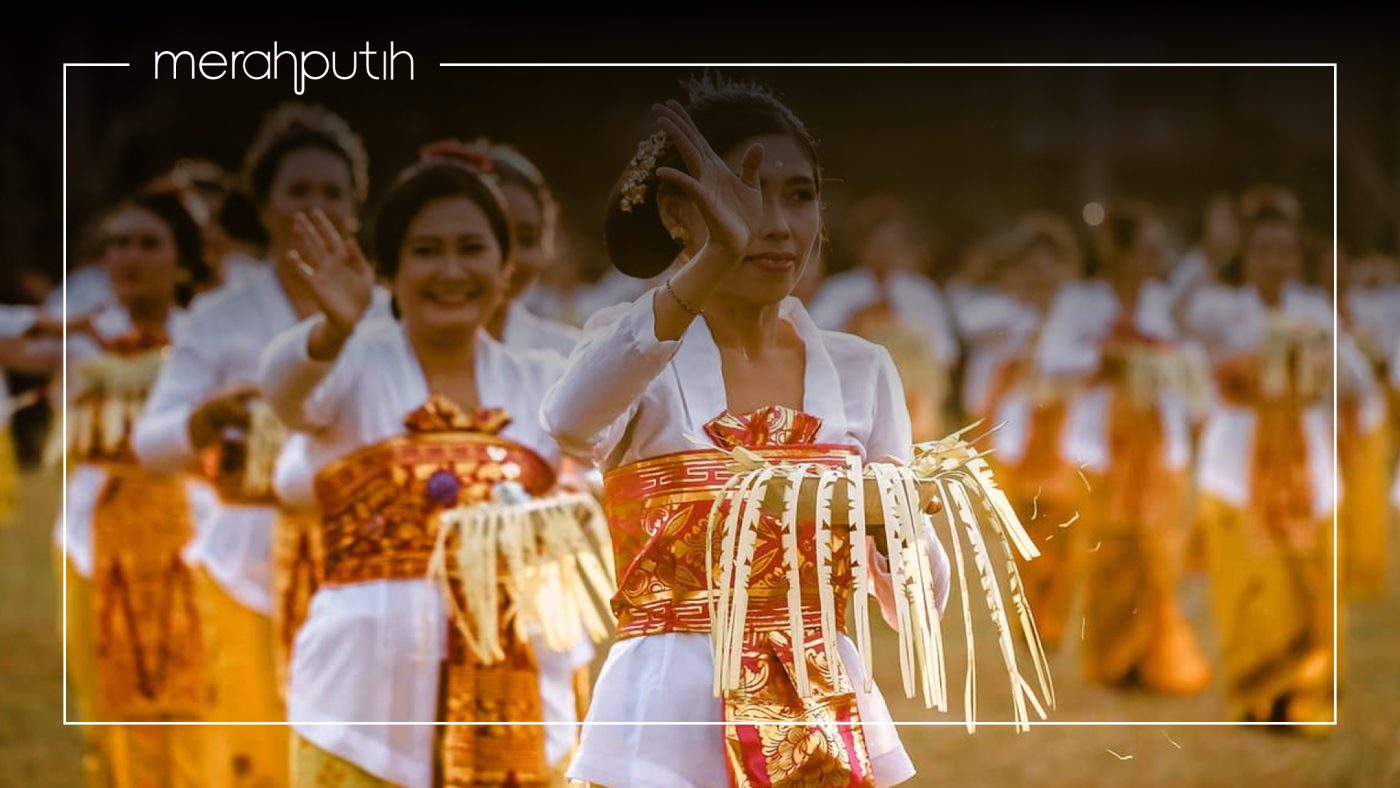
This traditional ritual is a purification of the self that takes place two or three days before Nyepi. During this time, villages flock by the hundreds to the nearest beach in traditional Balinese attire, carrying sacred temple objects in an elaborate procession.
Melasti symbolises washing away any spiritual impurities and is presided over by priests. People bathe themselves in the ocean to sanctify themselves before entering the New Year.
B. Ogoh-ogoh parade
The evening before Nyepi, multiple roads across Bali are closed to make way for the wild and loud Ogoh-ogoh parade. For this event, every village would prepare giant effigies of various demons. These elaborate sculptures known as ogoh-ogoh can reach impressive heights and weight, bearing features fit for a horror movie.
The demon statues represent negative energies, evil spirits, and malevolent forces. As darkness falls on the island, the ogoh-ogoh are paraded through the streets of Bali on bamboo platforms by a team of young men. The procession is accompanied by loud noise and traditional music.
At the end of the parade, the effigies are burned or destroyed, symbolising the destruction of negative forces and clearing the way for the silence and purity of Nyepi day.
What happens during Nyepi?
Here’s what you can expect during your Nyepi experience.
The day begins at 6a.m., by which time the island becomes entirely still. No motorbikes and cars are seen on the streets. Nobody is seen on the roads or beaches. No flights arrive or depart from Ngurah Rai International Airport. Shops, restaurants, and local businesses are shuttered. There is no internet and mobile service available despite the structure remaining operational. Electricity is available but very limited.
The only people who are outside are the pecalang – Balinese law enforcers whose role is to maintain tradition and, specifically on Nyepi, ensure that people remain indoors and observe all rules.
Four Nyepi rules to adhere to
During Nyepi in Bali, there are four main prohibitions as dictated by the Balinese Hindu religion. These are known as Catur Brata Penyepian.
Amati Geni (no fire or light)
This means no electricity, candles, or fires of any kind. Even the street lights are turned off, which is why the stars are most clearly visible in the evening of Nyepi.
Amati Lelungan (no travel)
For 24 hours of Nyepi, nobody is allowed to leave their homes or accommodations.
Amati Karya (no work)
All forms of productivity are prohibited. This includes everything from household chores to business operations. This day is purely dedicated to rest and reflection.
Amati Lelanguan (no entertainment)
Television, music, internet, and all forms of entertainment are prohibited. This includes conversing loudly or engaging in activities that would disturb the silence.
What happens after Nyepi in Bali?
At 6a.m. the following morning, life gradually returns to normal across Bali. The airport reopens, the roads slowly fill with travellers again, and the island’s bustling energy is reignited.
For locals, this period of time is known as Ngembak Agni and is spent by reuniting with family, asking for forgiveness of past wrongs, and renewing relationships for the year ahead.
Tips for tourists visiting Bali during Nyepi
If you’re going to be in Bali during Nyepi, preparation is essential.
1. Book accommodation well in advance
In recent years, hotels have started providing Nyepi packages that include 1-2 night stays and all meals covered. These accommodations quickly fill up with travellers who want to experience this unique tradition, so be sure to book early.
2. Stock up on food 1-2 days before
If you’re staying in an accommodation on your own, make sure you have enough food, water, and necessities for 24 hours as you won’t be able to run to the shops during Nyepi.
A pro tip is to not leave this to the day or even the night before, as many shops will have already run out of products. Remember, you’re competing with the whole island to stock up!
3. Get things done before the road closures
The Ogoh-ogoh parade during Nyepi eve takes place in the streets in the evening. By 4p.m., the roads will start to be closed off. If you still have errands to take care of, it’s best to do so early and make sure you’re home before this time.
4. Prepare activities
To fully experience Nyepi, you can take part in quiet meditation and self-reflection throughout the day. However, if you wish for entertainment, you can do things like read, paint, knit, or journal to pass the time. You may also download movies and music to your device beforehand, only be mindful to still maintain silence as much as possible.
5. Watch the Ogoh-ogoh parade
Witness the iconic pre-Nyepi tradition for yourself by joining the throng of locals and tourists in the streets for the parade.
6. Respect the tradition
Nyepi is a sacred observance that everyone on the island must follow. Especially as a visitor, respect the existing rules and take this Balinese holiday as a chance for digital detox, meditation, and stillness.
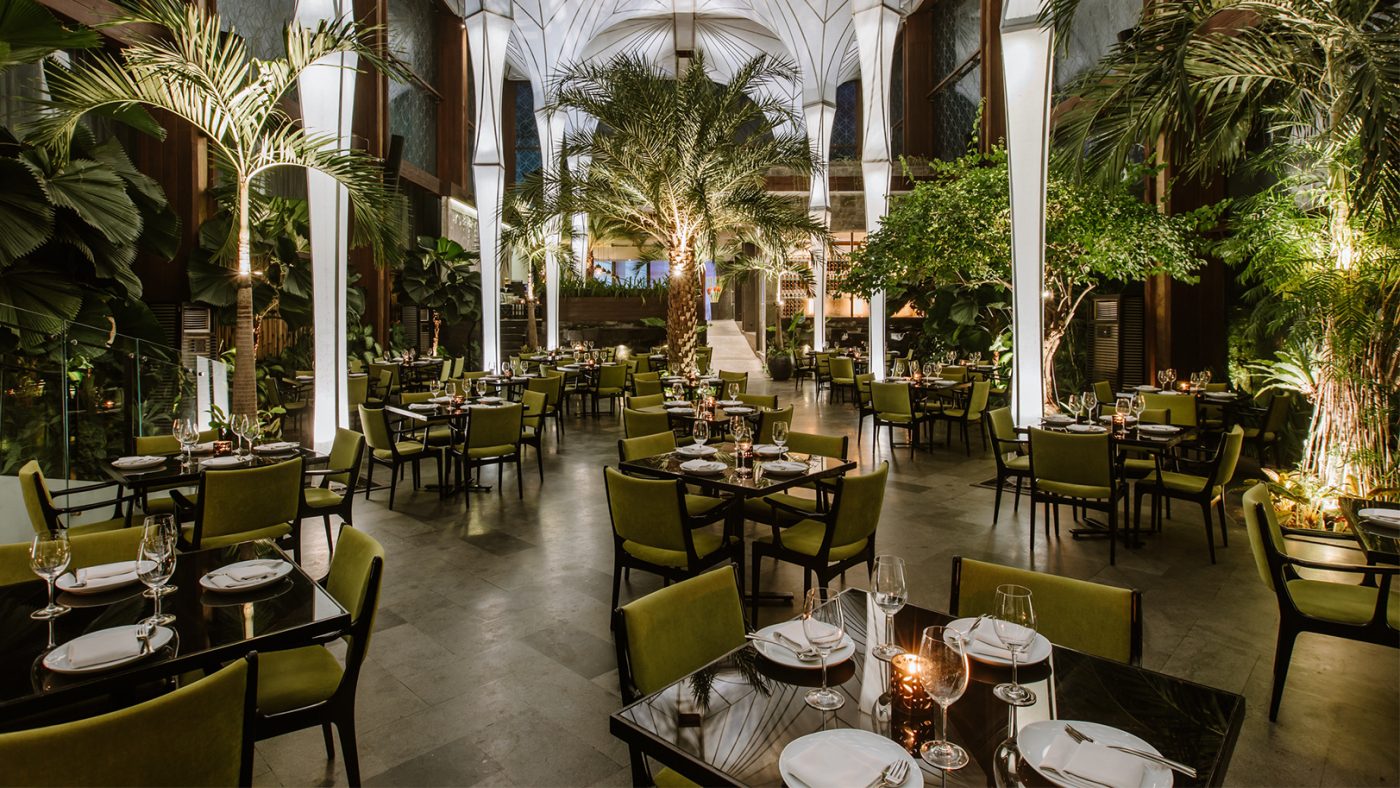
After 24 hours indoors, you’ll likely have worked out an appetite. As normal life resumes the next day, treat yourself to an exceptional culinary experience at Merah Putih restaurant in Petitenget.
Here, you can savour exquisite Indonesian fine dining that features modern twists on timeless regional recipes. Book a table with special gift vouchers today and continue your exploration of Balinese tradition through its culinary offerings.

An Indonesian Dining Experience Like No Other
FAQ
The day begins at 6a.m., by which time the island becomes entirely still. No motorbikes and cars are seen on the streets. Nobody is seen on the roads or beaches. No flights arrive or depart from Ngurah Rai International Airport. Shops, restaurants, and local businesses are shuttered. There is no internet and mobile service available despite the structure remaining operational. Electricity is available but very limited.
The Balinese adhere to four main prohibitions during Nyepi: Amati Geni (no fire or light), Amati Lelungan (no travel), Amati Karya (no work), and Amati Lelanguan (no entertainment).
Nyepi is an island-wide religious observation. During this time, even tourists are required to follow tradition and remain in their accommodations. Instead of viewing this as an inconvenience, take this Balinese holiday as a chance for digital detox, meditation, and stillness.