
Sate or satay is one of the most popular Indonesian dish, second only to fried rice. This simple grilled meat skewer, often served with peanut sauce, is easily customisable to cater to any taste and dietary preference. Made by grilling skewers over coals, the tenderness of the meat married with the char on the surface make for an irresistible taste that leaves you wanting more.
While chicken satay with peanut sauce is the most well-known variety, there are actually a large variety of Indonesian satays across the archipelago. In fact, according to a research by Gadjah Mada University in Yogyakarta, there are over 250 different kinds of satay across Indonesia!
Every region has its specialty style, so let’s embark on a journey of exploring just ten of the hundreds of Indonesian satays out there.
Sate Madura
Perhaps the most common kind of satay you’ll find at street vendors and restaurants is sate Madura, which hails from East Java.
This Indonesian satay is made of chicken or mutton, cut into cubes and then skewered and seasoned before grilling over coals. The chicken variety is served with a peanut sauce, while the mutton satay is usually served with sweet soy sauce and chopped chillies. Both are served with rice or lontong, which are traditional rice cakes.
Sate Padang
West Sumatra has their own version of satay: sate Padang, part of Padang cuisine together with crowd favourites like rendang.
Sate Padang is made of unconventional beef cuts like tongue, lungs, heart, or intestines. The sauce for this Indonesian satay is thick and curry-like, poured over the skewers. Its fragrant aroma and vibrant taste is thanks to beef broth, rice flour, and various local spices.
This regional type of satay is often consumed as a snack, but can also be enjoyed with warm white rice.
Sate taichan
In Jakarta, satay is most popular as a late-night snack, and no kind of satay is more raved about than sate taichan.
This streetside delicacy may look pale at a glance, but don’t let its appearance fool you. It’s salty and flavourful, seasoned with salt, pepper, and a squeeze of lime. Sate taichan is served with a notoriously spicy sambal, extra limes, and mushroom seasoning in which people like to dunk their satay before eating.
Sate buntel
The sleepy town of Solo in Eastern Java is known for sate buntel, a goat meat satay wrapped in caul fat.
Unlike other satays where the meat is cut into cubes, sate buntel is made by mincing the goat meat and then wrapping it in caul fat before skewering and then grilling. The result is a juicy and delicious delicacy, served with sweet soy sauce and a combo of raw chopped tomatoes, shallots, and pickles to balance out the fattiness.
Sate Maranggi
Originating in Purwakarta, West Java, sate Maranggi is a flavourful beef or mutton satay.
The meat is marinated in a sweet soy sauce and spices before grilling, allowing it to absorb all the flavours before grilling. Because of this, sate Maranggi is not served with any kind of sauce. However, many choose to enjoy it with sambal to add a kick to the dish.
Sate usus
Usus is Indonesian for intestine, and it’s pretty much the only thing this satay is made of: chicken intestines which are boiled and then fried.
Sate usus is often a side dish to bubur ayam or chicken congee, particularly those sold by street vendors. While made of innards, sate usus is a favourite for many because of its chewy texture.
Sate rembiga
This lesser-known type of Indonesian satay is local to West Nusa Tenggara. It’s made of cubed beef marinated in a Lombok-style sauce consisting of chillies, garlic, shallots, and shrimp paste.
The result is a sweet, spicy, and umami satay that needs no additional sauce or seasoning to enjoy. Just serve with warm rice or lontong.
Sale klatak
No other region does goat satay quite like Yogyakarta. Their sate klatak is renowned all over the country.
Made using iron skewers to ensure that the meat inside is thoroughly cooked, this Indonesian satay is seasoned but not served with sauce as it’s already very savoury from the amount of fat oozing out of the meat on the grill. n
Sate lilit
In Bali, satay is traditionally made from minced seafood or pork. However, nowadays you can also find chicken in sate lilit.
Like sate buntel, meat for this Indonesian satay is minced. It’s then mixed with spices like chilies, garlic, shallots, coriander, galangal, ginger, and candlenut, before being wrapped around a bamboo skewer or stick of lemongrass.
Sate lilit is not served with sauce because it’s flavourful as it is. It’s commonly served with nasi campur.
Sate tempe
All the above satays are made with meat, but the beauty of the dish is its versatility. Vegetarians and vegans don’t need to miss out on this Indonesian delicacy, as the meat can be substituted with other protein options.
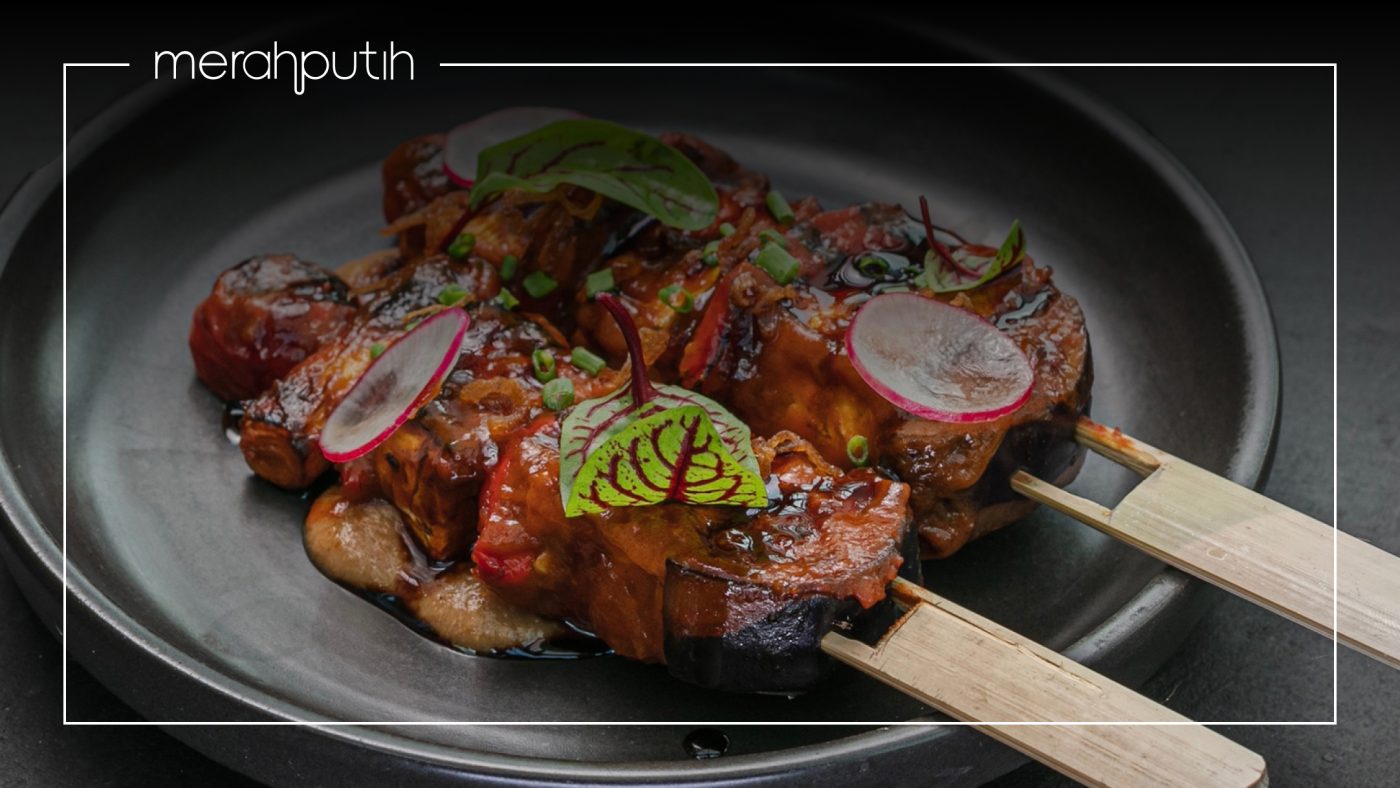
Sate tempe uses the superfood tempeh, cut up into cubes then marinated in spices before being skewered and grilled. The marinade consists of garlic, turmeric, sweet soy sauce, coriander, lime juice, and sometimes even tamarind paste. This gives a sweet taste with a hint of brightness.
If you find yourself in Indonesia, make it a mission to try these different types of satay and appreciate each region’s take on the traditional delicacy.
In Bali, be sure to stop by Merah Putih restaurant for a taste of sate tempe. Here, this satay contains chargrilled tempeh, capsicum, and leek, served with a peanut sauce and chillies.
Book a table with exclusive gift vouchers to enjoy Indonesian fine dining at the heart of Seminyak.
FAQ
Sate kambing is Indonesian for mutton satay. This type of grilled skewers is usually served with sweet soy sauce and chopped chillies.
From West Java, the most popular kind of Indonesian satay is sate Maranggi. Meanwhile, other parts of Java are to thank for satays like sate klatak, sate buntel, and sate Madura.
Yes, satay is one of Indonesia’s many traditional food found in almost every region in different iterations. In fact, according to a research by Gadjah Mada University in Yogyakarta, there are over 250 different kinds of satay across Indonesia.
Balinese satay is called sate lilit. It’s made of minced seafood or pork, mixed with spices like chilies, garlic, shallots, coriander, galangal, ginger, and candlenut, before being wrapped around a bamboo skewer or stick of lemongrass.