
Imagine sitting at a nice dinner where the ambiance is lively and the conversation is flowing. Suddenly, the person across from you starts chewing with their mouth open, another guest is being rude to the waiter, and someone else belches loudly from across the room. Poor table manners ruin the entire dining experience!
This is especially important when enjoying a meal at a fine dining restaurant or a formal dinner. Table manners extend far beyond simply knowing which fork to use. They represent the respect you have for those at the table, whether you’re attending a business meeting, wedding reception, or romantic date.
The foundation of good table manners is simple: be mindful and considerate of those around you and make sure the dining experience is enjoyable for everyone.
To ensure that you won’t be the person to kill the mood, here are ten essential table manners you should be aware of.
Elbows off the table
One of the most fundamental dining protocols is to keep elbows off the table. This body language is considered improper as it signals less formal behaviour.
Instead, sit up straight with your arms to your side when eating. This doesn’t only make you look more engaged, but also helps with digestion. When not eating, keep your hands folded on your lap.
Avoid reaching across the table
Some meals may involve shared dishes placed in the middle of the table, making it difficult for you to reach items further from you. It’s imperative not to reach across the table to take your share of these dishes.
Reaching across others is impolite as it intrudes on their personal space. With proper table manner, you should ask someone closer to the dish to pass it to you instead. This also applies to condiments such as salt and pepper.
Chew with your mouth closed
Nothing is more off-putting than open-mouthed chewing. This dining courtesy exists for good reason: chewing with an open mouth disrupts the formality of the evening and disturbs others’ appetite and enjoyment.
If someone begins a conversation with you while you’re chewing, raise your index finger slightly or nod to acknowledge that you heard them. Finish chewing and swallowing completely before responding.
Keep your plate clean
A messy plate shows to others that you have careless eating habits, and you wouldn’t want that!
To keep your plate clean, allow yourself a smaller range of motion and cut your food into small pieces before eating. For soup and saucy dishes, scoop away from your body so that extra liquid on the spoon drops into the bowl and not the table or your clothes.
If you’re eating bread, break it into smaller pieces over your bread plate to prevent crumbs from dropping everywhere.
Place food remnants on the upper left side of your plate
Any dish that leaves discards, such as chicken bones, prawn or crab shells, or olive pits, requires proper handling to maintain a clean plate. This is a part of table manners that is rarely considered.
Push these discards to the upper left side of your plate. This keeps the rest of your plate clean of inedible portions and makes it easier for servers to see that you’re still working on your meal.
Never place food remnants on the table or your napkin.
Eat slowly and pace yourself
No matter how hungry you are, pace yourself at the table. Rushing through your meal suggests impatience and can make other diners feel uncomfortable.
Meal pacing is particularly important in formal dining settings. It allows you to not only savour the flavours of the food, but also engage in conversation with those around you. This table manner also lessens the possibility of choking.
Avoid being on your phone
Whether you’re dining for business for pleasure, sharing meals is a time for connection and conversation. Being on your phone or checking it every few minutes is rude to other guests and signals that you’re disinterested.
Keep your phone off the table, but if you must have it there, be sure to place it face-down. This indicates that you’re giving people at the table your full attention.
If you must, cough or sneeze politely
Part of proper dining conduct is to cough or sneeze without disrupting others. Sometimes the urge may come up while you’re at the dining table. If you really have to, do so over your shoulder and cover your mouth or nose with your hand.
This avoids spreading your germs to the food on the table, keeping the dinner sanitary for everyone present.
Don’t start eating before everyone else
In many cultures across the world, it’s customary to wait for everyone at the table to be served and start eating at the same time. If there is a host at the head of the table, wait for them to signal to the guests that they may dig in.
Waiting for others to be served is a sign of respect and shows that you aren’t just thinking about your own stomach.
Be kind to servers
Waiters are there to serve you and they deserve every respect and politeness. Speak kindly to them when making requests and thank them every time they serve you.
People who are rude to waiters are a big turn-off and can greatly alter the mood around the dining table.
Use cutleries properly
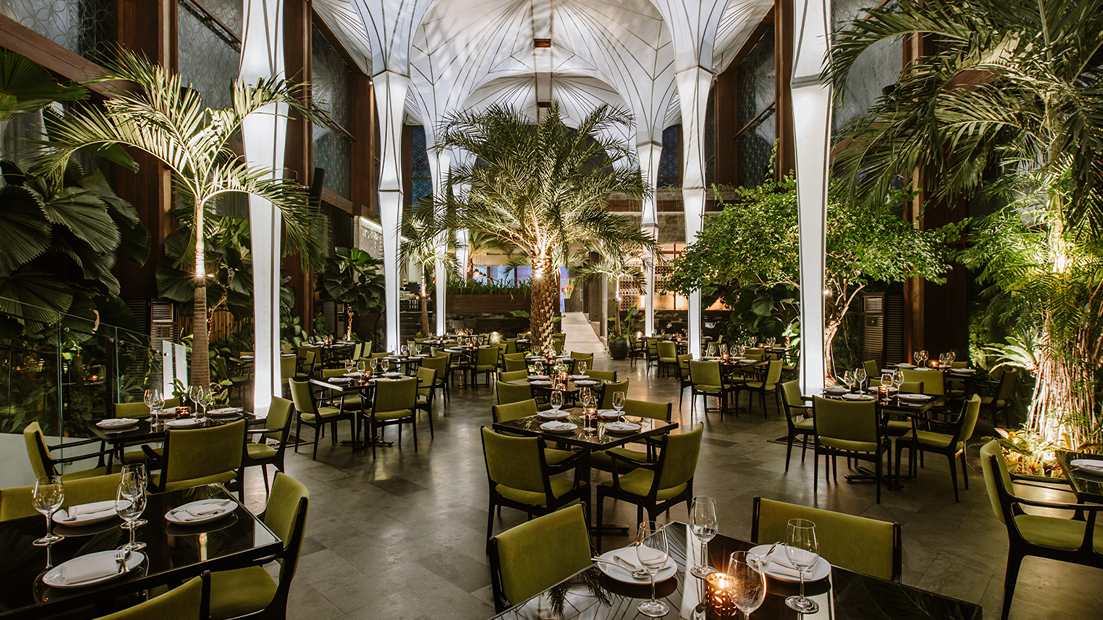
Fine dining restaurants will have all the cutleries laid out on the table for multiple courses. Navigate these utensils correctly by working your way from the outside in as the courses progress.
When finished with your meal, place your knife and fork parallel to each other on your plate. This signals to the waiter that they can clear your table.
There’s no better place to practice your table manners than at a fine dining restaurant. If you find yourself in Bali, head to Merah Putih restaurant in Petitenget, where you can enjoy exceptional Indonesian cuisine while demonstrating your polished dining etiquettes.
Book a table with gift vouchers today.
FAQ
Table manners extend far beyond simply knowing which fork to use. They represent the respect you have for those at the table, whether you’re attending a business meeting, wedding reception, or romantic date.
Sometimes the urge to cough or sneeze may come up while you’re at the dining table. If you really have to, do so over your shoulder and cover your mouth or nose with your hand.
Fine dining restaurants will have all the cutleries laid out on the table for multiple courses. Navigate these utensils correctly by working your way from the outside in as the courses progress.