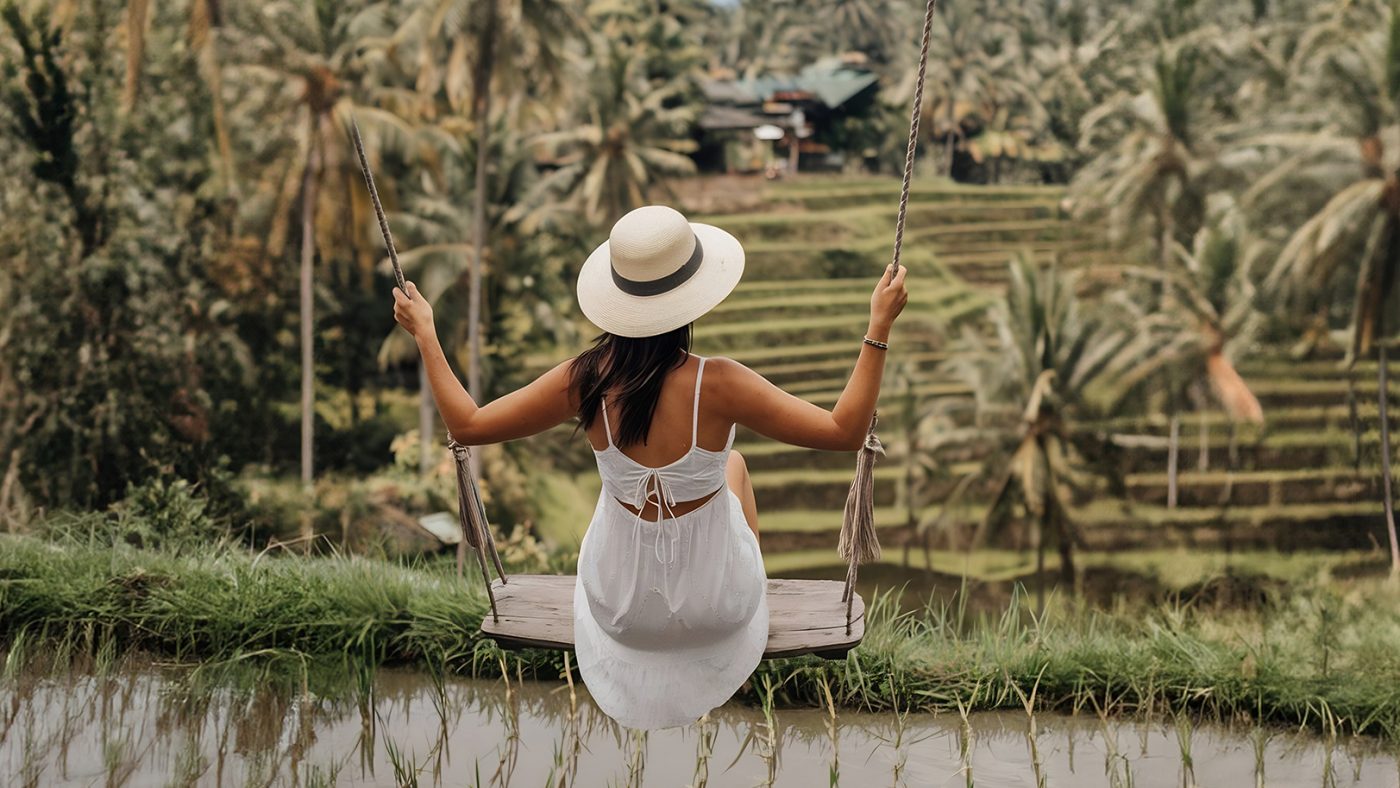

There is a particular kind of courage required to book a one-way ticket somewhere unfamiliar. Yet Bali offers itself as a unique place for solo travellers beyond merely a destination. It’s where self-reliance meets local warmth, making “solo” feel more like “freedom” instead of “alone.”
Whether you are stepping away from a demanding career, seeking a slower pace of life, or simply curious about what you are capable of when no one else is setting the itinerary, Bali solo travel is what you choose to make it.
Allow us to guide you as you prepare to explore the island on your own.
Key Takeaways
- Getting around: renting a motorbike is highly recommended for solo travellers who want freedom to explore at their own pace, just make sure your travel insurance explicitly covers motorbike riding
- Where to eat: a warung-style nasi campur runs 20,000–40,000 IDR, and the busiest lunchtime warungs, full of local workers, usually serve the best value.
- Making friends: Ubud’s Yoga Barn and local craft workshops are the easiest low-pressure ways to connect.
- Want privacy without losing community? Boutique hostels like Tribal Bali now offer lockable capsules.
- Want full immersion instead? Try a homestay in Sidemen or Amed.
Safety, navigation, and finding your community
Is Bali safe for solo travellers?
The honest answer is yes, as long as you remain vigilant. Bali is consistently ranked among the safer destinations in Southeast Asia for solo travellers, including women travelling alone. However, petty theft does occur, particularly in tourist areas like Kuta and Seminyak. Staying alert goes a long way.
In terms of security, keep your passport secured at your accommodation rather than carrying it daily. Use a money belt or an anti-theft crossbody bag in crowded markets and on the back of motorbikes.
Avoid poorly lit streets in areas like parts of Kuta late at night, and be cautious around overly persistent vendors who may attempt to divert you towards overpriced services. Trust your instincts. Bali’s locals are largely warm and helpful, but no destination is entirely without opportunists.
For health, be sure to have travel insurance. Bali does have reputable hospitals such as BIMC in Kuta or Siloam in Denpasar. However, the costs can escalate quickly if you’re admitted for anything more than minor treatments. Ensure that your policy covers motorbike riding, especially if you’re planning on renting one.
Getting around in Bali
One of the most significant practical shifts for Bali solo travel in recent years has been the dominance of ride-hailing apps. Gojek and Grab have transformed navigation on the island.
You can summon a motorbike taxi (ojek) or a car within minutes, pay a fixed price displayed before you confirm the booking, and share your live location with someone at home. This removes the anxiety of negotiating fares with drivers and makes moving between areas genuinely straightforward.
If you want the freedom to explore Bali at your own pace, renting a motorcycle is one of the most convenient options. Just make sure you choose a trusted rental company with well-maintained motorcycle and transparent rental terms. For extra peace of mind during your trip, consider renting a motorcycle in Bali with insurance, so you’re protected against unexpected incidents while exploring the island.
Related article: How to Do Bali in 2026: The Apps Every Traveller Needs
The digital nomad community
Canggu in particular is home to the largest number of digital nomads in the world. It’s no coincidence; the infrastructure in this area supports it.
Coworking spaces here offer fast internet, ergonomic setups, and a built-in community of people who have chosen location-independent living. Online communities are active daily, with posts ranging from accommodation recommendations to invitations for spontaneous group surf sessions.
If you arrive in Bali knowing no one, the digital nomad community ensures you won’t be a stranger for long.
Experiencing authentic Bali on a solo budget
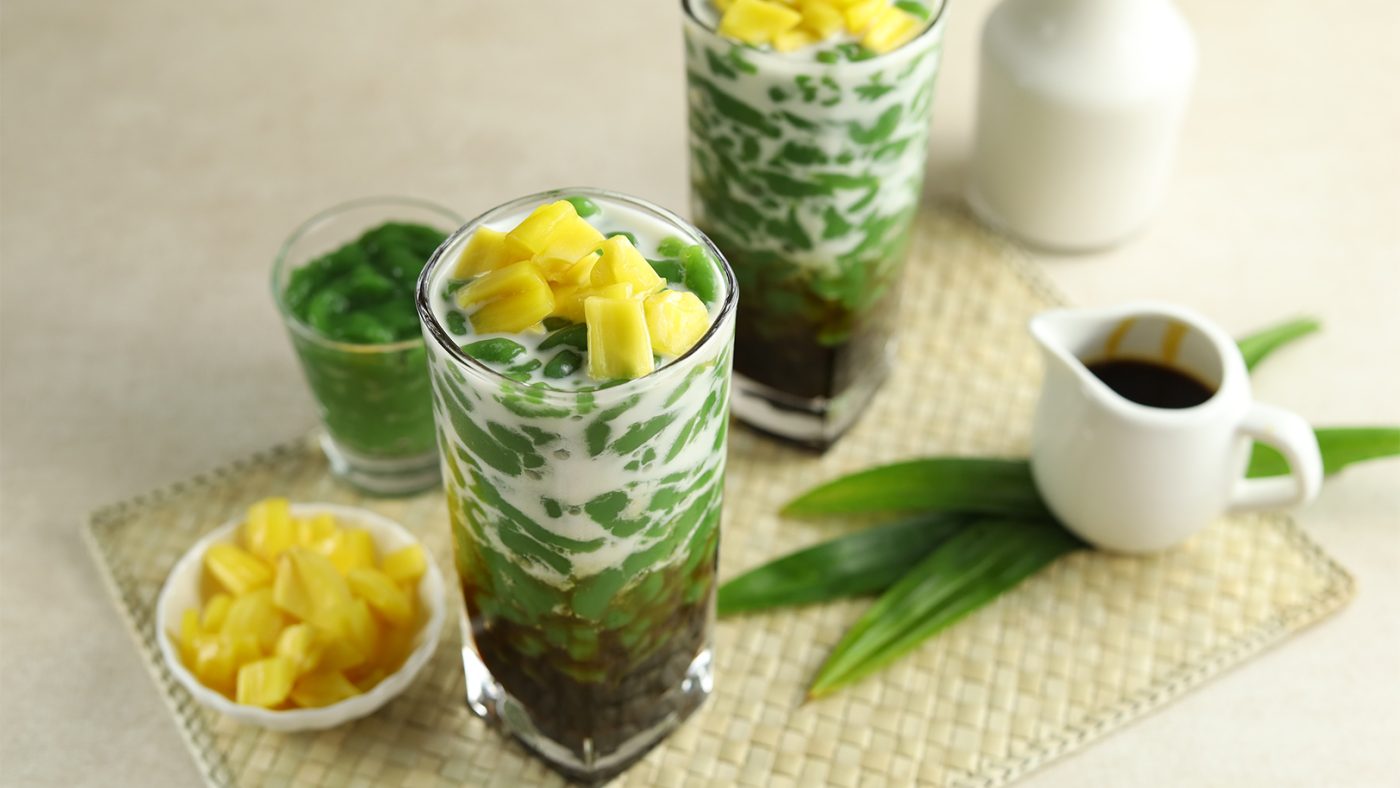
One of the joys of Bali solo travel is the food. Dining alone carries none of the social awkwardness it might at home, partly because warungs are inherently casual and welcoming spaces.
Where to eat like a local
A nasi campur (mixed rice with small portions of various dishes) at a warung will cost between 20,000 and 40,000 Indonesian Rupiah.
Nasi goreng, mie goreng, and sate lilit (Balinese minced fish satay) are similarly affordable and satisfying. Look for warungs where local workers eat their lunch as this usually serves the best and cheapest food.
Markets are another essential stop. Pasar Badung in Denpasar, Bali’s largest traditional market, offers fresh produce, snacks, and prepared foods at local prices. We recommend getting up early to visit as the good items run out quickly.
Coffee culture deserves its own mention. Bali produces exceptional Indonesian coffee, and a locally grown kopi tubruk (traditional thick coffee) or a glass of kopi Bali at a roadside stall will cost under 10,000 Rupiah. This is not merely a budget tip; it is an invitation to slow down and engage.
Solo travel does not equal lonely travel
Solo travel does not mean lonely travel, and nowhere demonstrates this more convincingly than Bali. The island has made meaningful connection easy without ever making it compulsory. This balance between personal freedom and genuine human contact is one of the defining characteristics of the Bali solo travel experience.
Connection through shared activities
The most natural connections in Bali tend to emerge not from hostel common rooms or bar stools, but from shared activities.
Yoga and wellness
Ubud is home to world-class yoga studios including the famous Yoga Barn, which offers multiple daily classes drawing an international mix of practitioners. The post-class conversations that form over herbal tea are often the start of lasting travel friendships.
Surfing
Bali’s surf culture is centred around Kuta, Seminyak, Canggu, and Uluwatu. Group lessons for beginners are offered at almost every beach, and the shared experience of paddling out for the first time creates an easy camaraderie. Even experienced surfers find the lineups socially satisfying in a way that differs from more exclusive surf destinations.
Local craft workshops
Ubud and the surrounding villages offer workshops in silver jewellery-making, batik dyeing, Balinese cooking, wood carving, and traditional offering-making. These experiences typically involve small groups working alongside local artisans for two to three hours. The conditions are ideal for meaningful conversation.
Choosing where to stay
Accommodation in Bali is not merely a matter of where to sleep. For the solo traveller, the choice of where to stay shapes the rhythm of your days, the quality of your emotional experience, and the kind of community find yourself part of.
Boutique hostels
Modern boutique hostels, particularly in Canggu, Seminyak, and Ubud, are now spaces that allow for individual sleeping capsules with a lockable door or curtain, personal charging points, and reading lights.
Properties like Tribal Bali in Canggu and Pondok Pundi Village Inn in Ubud exemplify this balance well. Look for hostels with a curated communal area, a good common kitchen, evening events, or a rooftop, as these are the features that determine whether a hostel fosters genuine community or merely tolerates strangers sleeping near one another.
Homestays
For those who want immersion, a Balinese homestay offers something no hotel can replicate. You will often wake to the sound of morning prayers, observe the daily preparation of canang sari offerings, and be invited gently into the rhythms of family life. Hosts in these settings tend to take a genuine interest in their guests, offering
Homestays are available across the island but are particularly rewarding in quieter areas such as Sidemen, Amed, and the villages surrounding Ubud. They are also considerably affordable and represent some of the most authentic cultural value.
Co-living spaces
If you intend to work remotely during your stay, co-living spaces offer a compelling option. These are purpose-built environments that combine private accommodation with shared working and social spaces, designed explicitly for the needs of location-independent professionals.
Why Bali remains the benchmark for solo travel
Bali solo travel endures as one of the world’s benchmark independent travel experiences because it is rewarding in proportion to what you bring to it. Go slowly, and Bali slows with you. Seek connection, and you will find it readily.

Give the Gift of Merah Putih
Treat someone special to an Indonesian dining experience like no other.
FAQ
The honest answer is yes, as long as you remain vigilant. Bali is consistently ranked among the safer destinations in Southeast Asia for solo travellers, including women travelling alone. However, petty theft does occur, particularly in tourist areas like Kuta and Seminyak. Staying alert goes a long way.
Warungs and local markets are an essential stop for authentic Balinese and Indonesian cuisine. These establishments offer local cuisine with affordable prices.
Choosing where to stay depends fully on the kind of solo travelling experience you’re looking for. There’s something for every solo traveller in Bali, from full cultural immersion to quiet solitude.