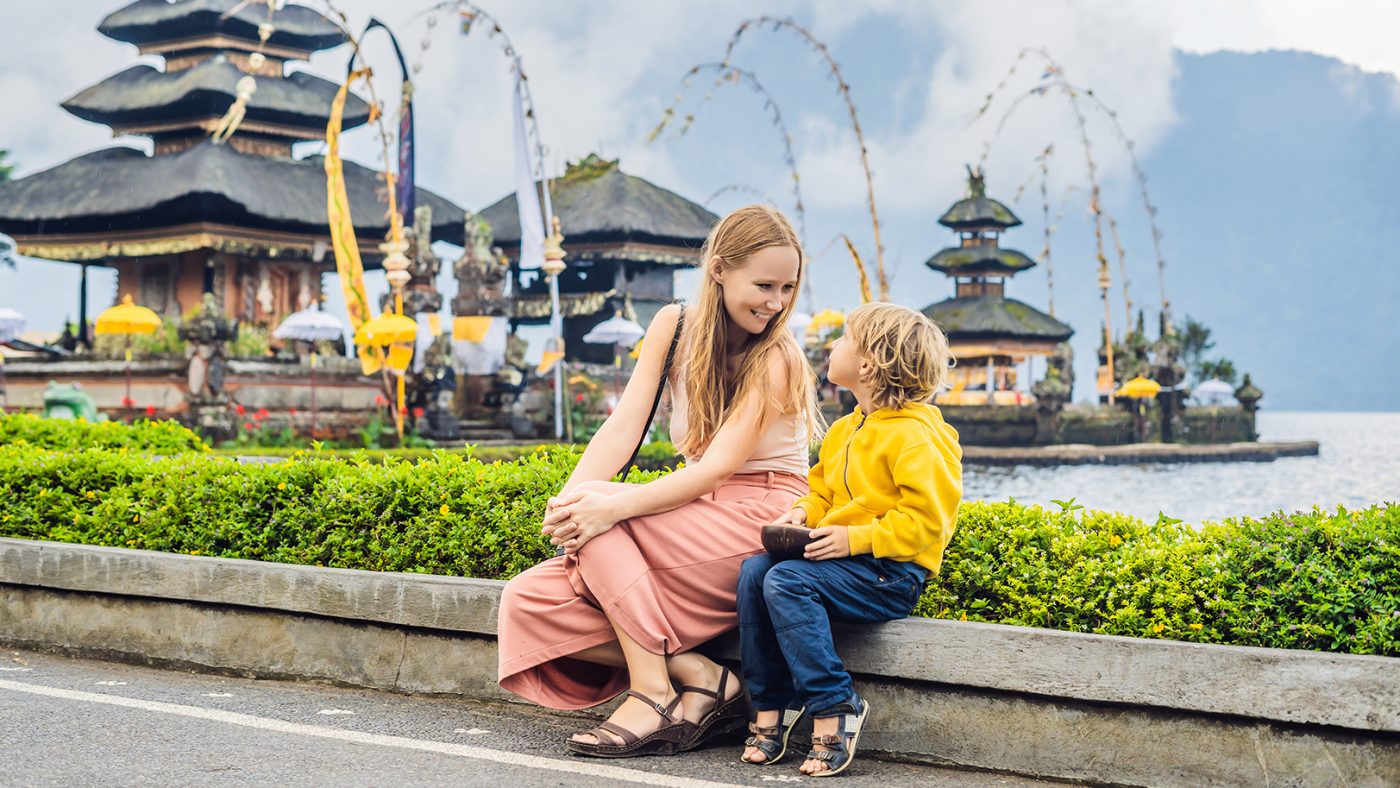

In short, yes, Bali is safe to visit in 2026. Local life and tourism continue to operate normally. The island is far from any active conflict zone, its Tourist Safety Index stands at approximately 82, and it currently ranks as the number one tourist destination in the world.
Although Petty crime exists, as it does in any major travel destination, serious violent crime directed at tourists is rare. If you’re visiting Bali this year, here is some context, data, and practical tips for every traveller.
Key Takeaways
- Geopolitically, Bali is stable and far from any active conflict zone, and no major government advises against travel to Bali specifically.
- Official advice is national, not Bali-specific, so check your own government’s advisory before you go rather than relying on viral posts.
- Everyday risks are the bigger concern: scams, pickpocketing, and above all traffic and scooter accidents, so use verified ride-hailing apps and carry insurance that covers medical evacuation.
- At night and when travelling solo, never leave your drink unattended and arrange return transport in advance.
Why are travellers asking “Is Bali safe” right now?
Every few months, a fresh wave of global news triggers a spike in travellers searching about Bali’s safety. The question is understandable. When headlines feel unsettling, it’s natural to wonder whether your planned holiday destination has been affected.
The honest answer requires differentiating between social media and reality on the island.
Bali has long occupied a unique position in the world’s travel landscape. More than just a beach resort, the island is a cultural hub where Hindu ceremonies share the social calendar with international surf competitions, rice terrace walks, and fine dining.
The Balinese economy is deeply interwoven with tourism, which creates a powerful incentive for the island to remain welcoming, orderly, and safe.
Additionally, global geopolitical tensions are happening far away from Bali, as the island is not adjacent to any active conflict. What drives the recurring “is Bali safe” search is more a case of global information that amplifies anxiety.
That said, every destination carries genuine risks, and Bali is no exception. The key is understanding what those risks actually are and preparing for them.
How safe is Bali for travellers?
Geopolitical safety
Bali is geopolitically stable and sits well outside any active conflict zone.
The Indonesian government has consistently demonstrated its commitment to maintaining Bali’s status as a world-class destination.
According to Indonesia’s Ministry of Tourism, Bali’s tourism sector has remained stable despite broader global geopolitical tensions. This reflects the island’s geographic remoteness from conflict areas and the government’s proactive support for the sector.
Practical tip: Check and trust your government’s official travel advisory before departure over what you see online. Advisories from the UK Foreign, Commonwealth & Development Office (FCDO), the Australian Department of Foreign Affairs and Trade (DFAT), or the US State Department are updated regularly and based on verified intelligence rather than viral posts.
Crime and local safety
Crime in Bali exists, but the data keeps it in perspective.
Bali receives millions of international visitors every year. The percentage of crimes committed against tourists is small relative to the total number of visitor arrivals. The majority of incidents fall into three categories: scams, pickpocketing, and petty theft.
Violent crime targeting tourists is rare. Tourist areas such as Seminyak, Canggu, Ubud, and Nusa Dua are well-protected. Bali also has a dedicated Tourist Police force (Polisi Pariwisata) whose officers are trained specifically to assist international visitors.
In many resort areas, tourist police officers are present and approachable.
Common crime types to be aware of
- Scams: overpriced transport, fake money changers, “free” tours
- Pickpocketing: crowded markets, busy streets, popular temples and photo spots
- Petty theft: bags left unattended on beaches or at cafes, items visible in parked vehicles
None of these are unique to Bali, and all are manageable as long as you keep your belongings safe.
Practical tips
- Only use ATMs attached to reputable banks
- Hire transport through verified apps (Gojek and Grab are widely used and price-transparent)
- Only use licensed, authorised money changers (look for the Bank Indonesia approval sign)
- Keep a copy of your passport in a secure location separate from the original
Everyday travel safety
The practical risks most likely to affect visitors to Bali are not geopolitical; they are logistical.
Traffic
This is the most immediate concern for first-time visitors. Bali’s roads, particularly in South Bali, are busy and the driving culture can feel chaotic to those unfamiliar with it.
Scooter rental is popular among travellers, but road accidents involving tourists are a leading cause of injury on the island. If you are not an experienced rider in busy, mixed-traffic environments, consider hiring a private driver instead.
Health
Standard tropical travel measures apply to keep yourself healthy and safe. Drink bottled water rather than tap, be mindful of food hygiene at street vendors, apply sunscreen and insect repellent, and ensure your travel insurance covers medical evacuation.
Bali has private hospitals with good facilities, particularly in Denpasar and the main tourist corridors.
Common safety concerns travellers have about Bali
Is Bali affected by global conflicts?
No. Bali is not affected by any current global conflict.
The island of Bali is geographically separated from the main island of Java by the Bali Strait and is further removed from any regional tension. There are no active hostilities, no displaced populations, and no disruption to civilian infrastructure as a result of international conflict.
According to the Bali Sun and Bali Villa Realty, Bali’s Tourist Safety Index currently sits at approximately 82, which reflects relative geopolitical stability. The island retains its ranking as the world’s number one tourist destination.
On a balanced note, travellers should always monitor travel advisories from their home government, as conditions can change. However, as of the time of writing, no major Western government has issued a “do not travel” advisory for Bali.
Is Bali safe for solo travellers?
Bali is one of the more welcoming destinations in Southeast Asia for solo travellers, including solo female travellers.
The infrastructure for independent travel is well-developed. Accommodation options range from social hostels and co-working retreat centres to private villas, and the backpacker community is alive and well.
Many popular areas like Canggu, Seminyak, and Ubud, have plenty of cafés, co-working spaces, and social venues where solo travellers naturally meet others.
Practical tips for solo travellers:
- Share your itinerary with someone at home and check in regularly
- Use ride-hailing apps rather than negotiating with street-level drivers
- Avoid displaying expensive jewellery, cameras, or electronics unnecessarily
- Be cautious in isolated areas at night; stick to well-lit, populated streets
- Trust your instincts and remove yourself from any situation that makes you uncomfortable
Solo female travellers should be aware that unwanted attention from vendors can be persistent, particularly in busy tourist areas. Firm but polite refusals are effective so you can move along in your travels.
Is Bali safe at night?
Generally, yes. However, the same caveats apply to nightlife anywhere in the world.
Bali’s nightlife centres on areas like Seminyak, Kuta, and Canggu. These are lively, well-populated, and relatively safe environments. The presence of both local security and tourist-facing police is consistent in these areas.
The risks that increase at night are predictable: drink spiking, opportunistic theft, and transport scams targeting people leaving venues. These are risks of inattention and vulnerability, not endemic violence.
Practical tips for nights out in Bali
- Never leave your drink unattended
- Arrange return transport before going out, or use a verified app
- Travel in groups where possible
- Avoid accepting lifts from strangers, regardless of how they present themselves
Bali remains a safe and welcoming destination
Global tensions are real. Uncertainty about international travel is understandable. But the question “is Bali safe to visit?” deserves an answer rooted in evidence rather than anxiety.
The evidence is clear. Bali’s tourism sector continues to operate normally. The island’s Tourist Safety Index stands at approximately 82. It holds the number one ranking among the world’s best tourist destinations. Local life continues exactly as it has for decades.
The practical risks that exist in Bali are the risks of any popular tourist destination. All of these are manageable with preparation and awareness.
Travellers who approach Bali with respect for local customs, sensible precautions, and reliable information will have exactly the experience they came for in one of the most beautiful, culturally rich, and genuinely welcoming destinations on the planet.

An Indonesian Dining Experience Like No Other
FAQ
Yes. Bali’s tourism sector is operating normally, and the island is not affected by any active conflict or significant civil unrest.
Petty crime (primarily scams, pickpocketing, and minor theft) is the most commonly reported issue. Violent crime targeting tourists is rare.
Yes, though standard precautions apply: use ride-hailing apps, avoid isolated areas at night, and dress modestly when visiting religious site
Yes. Bali has a dedicated Tourist Police (Polisi Pariwisata) force that operates in major tourist areas and is trained to assist international visitors.
Bali’s Tourist Safety Index currently sits at approximately 82, reflecting a relatively stable and safe environment for international visitors.