
Indonesia is a nation of over 17,000 islands, and its culinary traditions are vast and varied as. While savoury dishes like rendang and nasi goreng tend to steal the international spotlight, it’s the world of Indonesian dessert that truly captures the soul of the archipelago. From humble street-side stalls to elevated fine dining tables, these iconic sweets tell the story of a rich and layered food culture.
Whether you are new to Indonesian cuisine or a seasoned enthusiast, here are 15 iconic Indonesian desserts you need to try.
Quick Picks
- Craving something cold and refreshing? Start with cendol, the classic, or go bigger with es campur or es puter for a fuller iced dessert experience.
- Want something warm and comforting? Kolak and bubur sumsum are both simmered, spoonable, and best enjoyed slightly hot.
- In the mood for a chewy layered cake? Kue lapis and bika ambon showcase Indonesia’s love for pandan and coconut in cake form.
- After a pandan-wrapped sweet? Klepon and dadar gulung both hide a palm sugar surprise inside a bright green pandan shell.
- Want the most iconic street food pick? Martabak manis, the thick, fluffy pancake, is what most locals recommend to first-timers.
Cendol
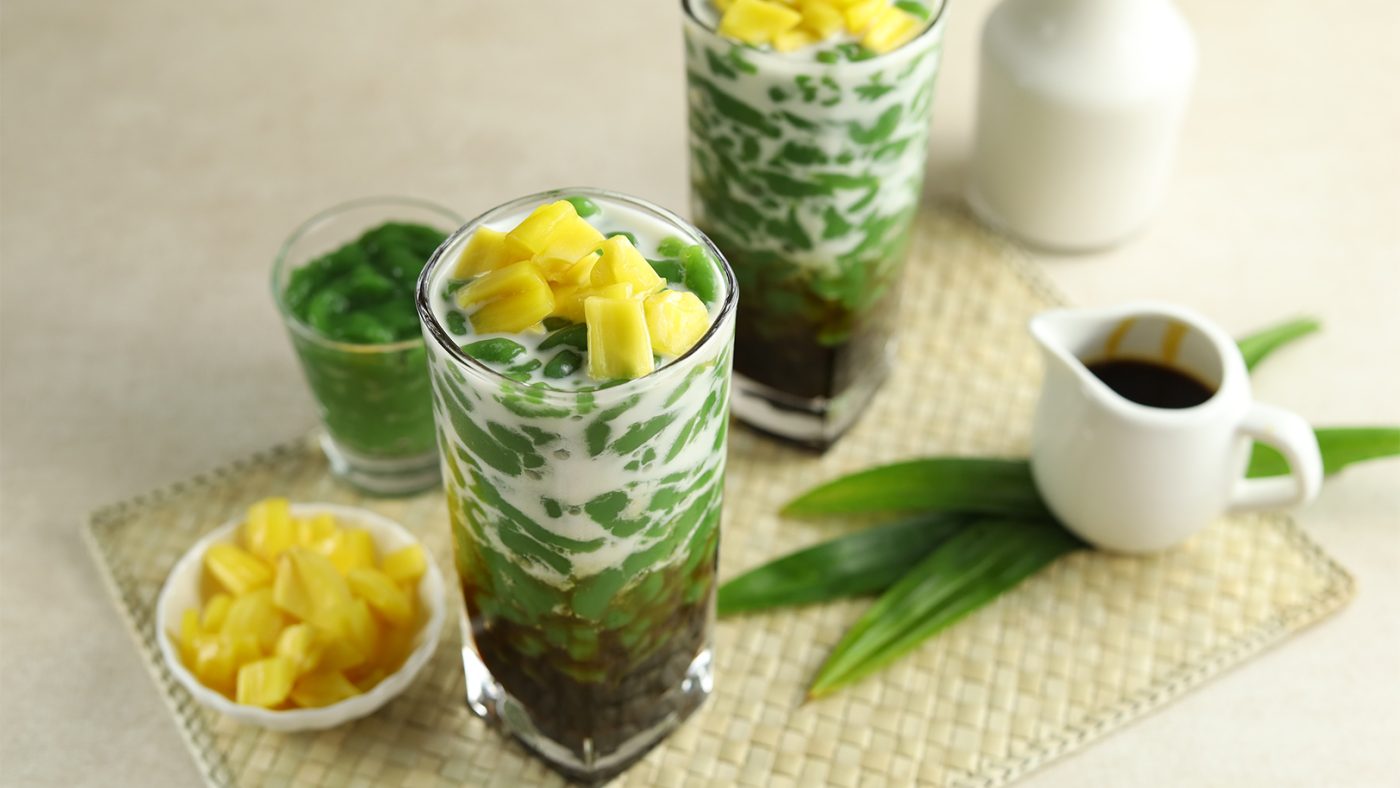
Perhaps the most beloved Indonesian dessert of all, cendol is a chilled drink-dessert hybrid made with chewy pandan-flavoured rice flour noodles, coconut milk, and palm sugar syrup.
The result is a beautifully layered, sweet concoction that is equal parts refreshing and indulgent.
Ketan Hitam
Ketan hitam is black glutinous rice cooked low and slow until soft and sticky. It’s typically served with a generous pour of thick coconut milk and a drizzle of palm sugar.
Its deep, earthy sweetness and satisfying chew make it one of the most comforting Indonesian desserts. It’s often eaten warm, even consumed during breakfast or late at night.
Kolak
Kolak is a fragrant dessert consisting of bananas, sweet potatoes, and jackfruit gently simmered in coconut milk, palm sugar, and pandan leaves.
Often eaten during Ramadan to break the fast, it carries deep cultural and spiritual significance beyond its delicious flavour.
Es Teler
A wildly popular street dessert, es teler combines young coconut, avocado, and jackfruit with crushed ice, sweetened condensed milk, and coconut milk.
It is simultaneously fruity, creamy, and cooling, making it a staple at Indonesian food stalls and restaurants alike.
Klepon
These vivid green rice cake balls are one of Indonesia’s most charming traditional sweets. Filled with liquid palm sugar and coated in desiccated coconut, klepon delivers a signature burst of sweetness with every bite.
The bright green colour comes from pandan juice, a key flavouring in Indonesian desserts.
Bubur Sumsum
Although sumsum is Indonesian for bone marrow, this dessert doesn’t actually contain the savoury ingredient.
Bubur sumsum is a silky rice flour porridge served with coconut milk and palm sugar sauce.
Dadar Gulung
This is another sweet green dessert getting its hue from pandan. Rolled pandan crêpes are filled with a sweet coconut and palm sugar mixture to create dadar gulung.
The vibrant green exterior gives way to a warm, caramel-like filling, a classic Indonesian dessert found in markets and bakeries around the country.
Es Campur
Meaning “mixed ice,” es campur is a more elaborate cousin of es teler. It’s a festive shaved ice dessert loaded with grass jelly, young coconut, agar, fruit, condensed milk, and colourful syrup.
Every bowl is different, and every spoonful is an adventure in texture and sweetness.
Bika Ambon
Originating from Medan in North Sumatra, bika ambon is a spongy, honeycomb-textured cake made from tapioca flour, coconut milk, and pandan.
Its airy structure and sweet flavour make it one of the most distinctive Indonesian desserts.
Kue Lapis
Meaning “layered cake,” kue lapis is a steamed rice cake made in alternating coloured layers (typically pink and white, green and white, or brown and yellow).
Each layer is pressed down before the next is added, resulting in a dense yet chewy cake that is as beautiful as it is tasty.
Martabak Manis
Martabak manis is the first thing most Indonesians would recommend visitors to try. A thick, fluffy pan-fried pancake stuffed with chocolate, cheese, crushed nuts, or condensed milk, this Indonesian dessert is a beloved street food staple.
Available at roadside stalls from dusk, the aroma alone is enough to stop you in your tracks.
Wingko Babat
This traditional chewy coconut cake from Central Java is made from glutinous rice flour, shredded coconut, and sugar.
Slightly caramelised on the outside and soft within, it’s a simple yet deeply satisfying Indonesian sweet.
Putri Noong
Literally translating to “peeping princess,” putri noong features a whole piece of sweet potato or banana wrapped in coloured glutinous rice, then steamed and rolled in coconut.
Charming in appearance and moreish in flavour, it is a delightful example of Sundanese dessert culture.
Kue Lupis
Lupis is made from compressed glutinous rice wrapped in banana leaves. Ad served with grated coconut and a thick palm sugar sauce.
Its texture is chewy, slightly nutty, and richly sweet; it’s a rustic yet irresistible Indonesian dessert often found at traditional markets.
Es Puter
Indonesia’s answer to ice cream, es puter is a hand-churned frozen dessert made from coconut milk, pandan, and jackfruit or durian.
It’s creamier and more fragrant than conventional ice cream, making it a staple of street markets and a joy to eat in the heat of the day.
Beyond Sweetness: The Cultural Significance of Indonesian Desserts
Beyond their flavour, several of these desserts carry real cultural weight, tied to religious occasions, ceremonies, and the everyday ritual of sharing food.
- Kolak
Traditionally served to break the fast during Ramadan, valued for its warm, gently restorative qualities after a day without food. - Bubur Sumsum
Its soft, pure-white appearance is why this porridge often turns up at ceremonies and celebrations in several regions, symbolising purity and good fortune. - Kue Lapis and Bika Ambon
Regular fixtures at weddings, festivals, and religious celebrations, with kue lapis’s stacked layers often read as a wish for a life full of richness and prosperity. - Klepon and Dadar Gulung
Built from pandan, coconut, and palm sugar, staples of the archipelago’s pantry, these humble street sweets are also a quiet gesture of hospitality when shared with guests.
Trying them is less about the sugar and more about a small taste of the tradition behind it.
Healthy & Dietary-Friendly Indonesian Dessert Options
Coconut milk and palm sugar dominate the flavour profile of Indonesian desserts, but that doesn’t rule out lighter or dietary-friendly choices. A few pointers if you’re eating mindfully:
- Naturally vegan: Kolak, ketan hitam, bubur sumsum, klepon, dadar gulung, and cendol are all built from rice flour, coconut milk, fruit, and palm sugar rather than dairy or egg. Worth checking, though: iced desserts like es teler and es campur usually include sweetened condensed milk, so ask if you want a dairy-free version.
- Naturally gluten-free: Klepon, kue lupis, bubur sumsum, cendol, and bika ambon (made with tapioca rather than wheat flour) let you enjoy authentic flavours without wheat.
- Lighter and fruit-forward: Es teler and kolak lean on the natural sweetness of banana, jackfruit, avocado, and sweet potato, making them a gentler option than the more syrup-heavy iced desserts.
Most local eateries are happy to talk through ingredients on request, so don’t hesitate to ask before you order.
Where to Find Authentic Indonesian Desserts in Bali
Now that your sweet tooth is thoroughly tempted, here’s where to actually find these desserts around the island.
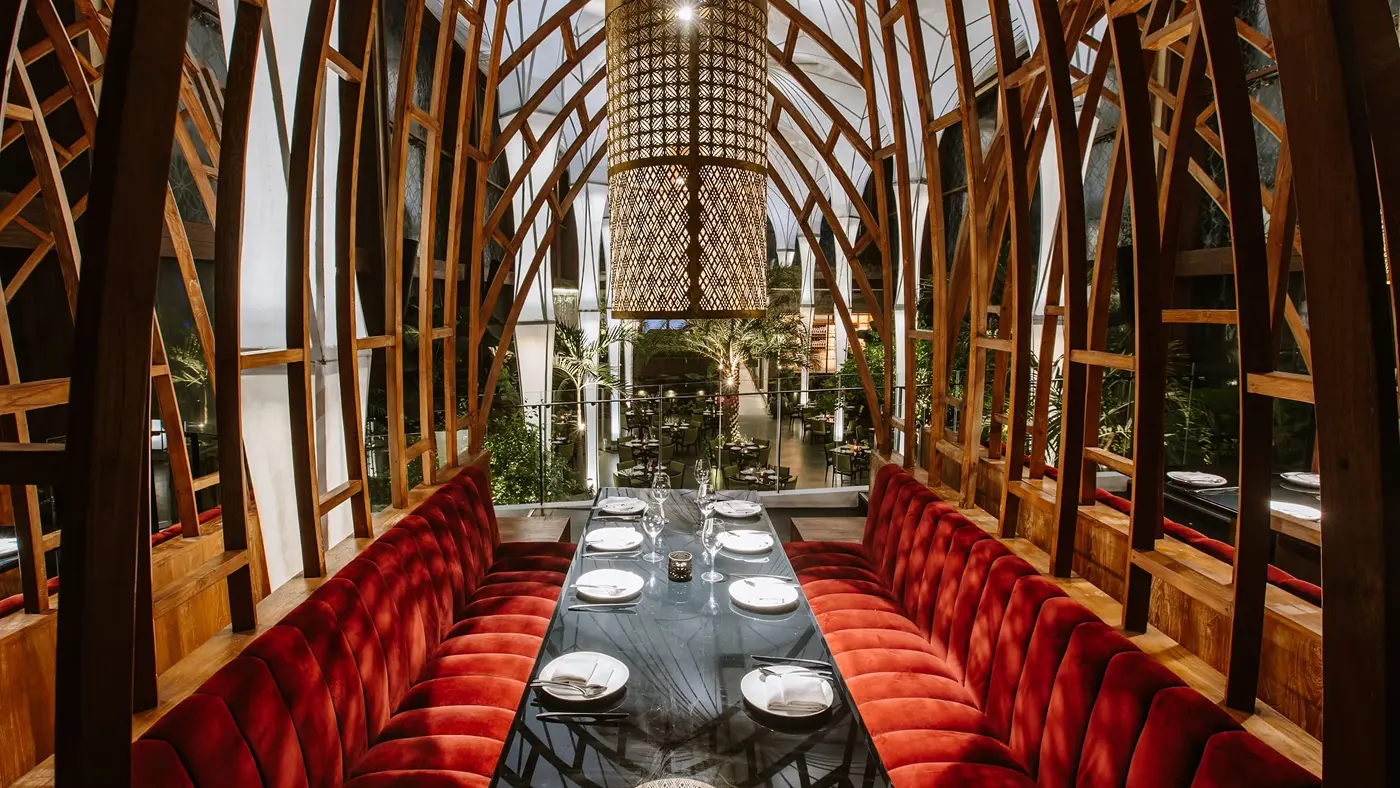
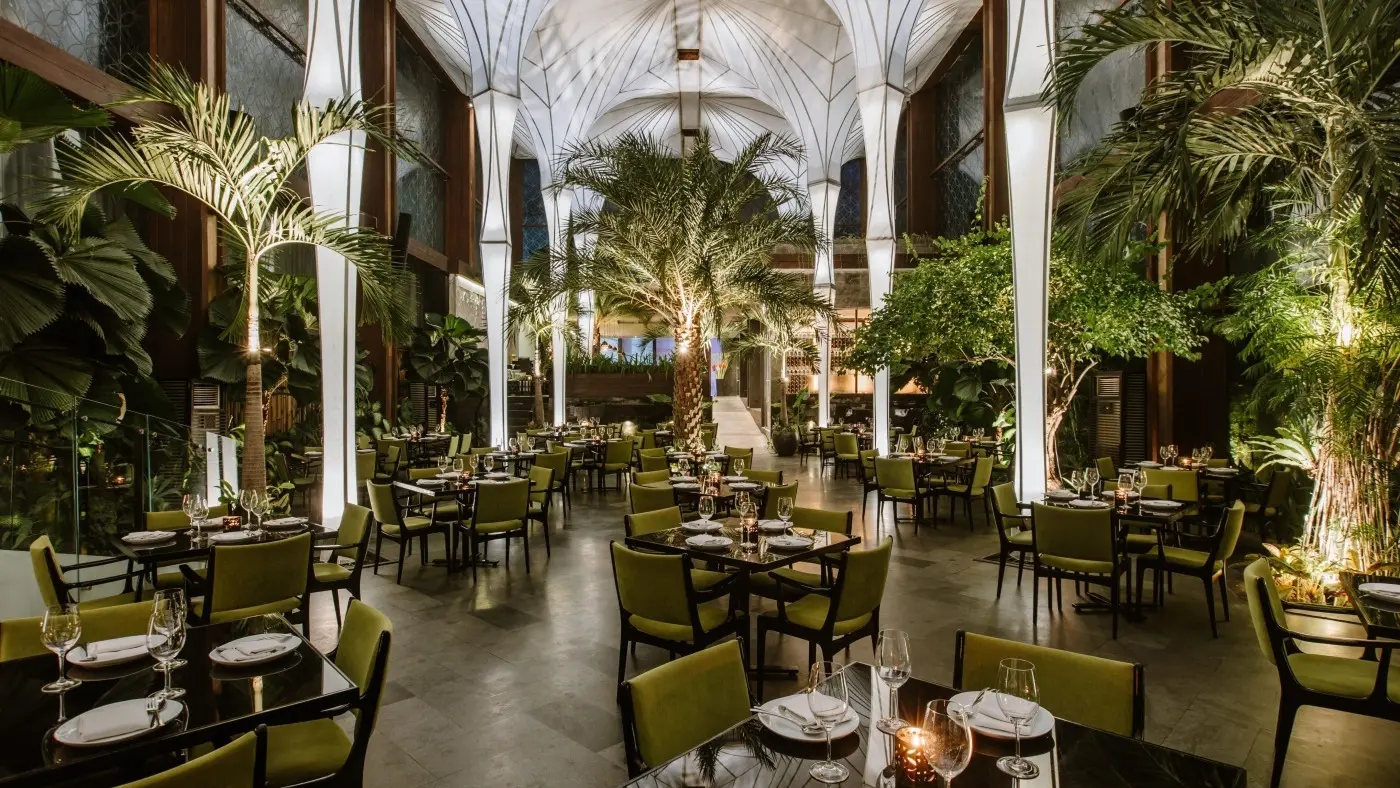
- Fine dining: Restaurants in Seminyak and Canggu, Merah Putih among them, serve refined versions of these classics with premium ingredients and polished presentation, well suited to a special night out.
- Traditional markets: Pasar Badung in Denpasar and the night markets found across the island are reliable spots for freshly made klepon, dadar gulung, kue lapis, and martabak manis at low prices. Look for stalls selling “jajanan pasar,” the local term for market snacks.
- Modern cafés: Cafés and bakeries in Ubud, Seminyak, and Canggu increasingly work Indonesian dessert flavours into their menus, a comfortable and easy option if it’s your first time exploring the cuisine.
Locals are usually happy to point you toward their favourite tukang kue (dessert vendor), and those tips tend to lead to the best finds.
Knowing what these desserts taste like in their traditional form is one thing. Experiencing them reimagined through the lens of modern fine dining, right down to the last spoonful, is quite another.
At Merah Putih, Indonesian classics are served alongside creative dishes that experiment with traditional spices and flavours from across the archipelago, with executive Chef Wiwik’s modern adaptations on timeless recipes making every dining experience an extraordinary one for any palate.
Book a table with special gift vouchers today to have a taste of paradise!