
Indonesian food represents one of the world’s most diverse and complex culinary traditions, yet first-time visitors often approach it with misconceptions that prevent them from fully appreciating its depth and variety.
Understanding what makes Indonesian cuisine unique and what assumptions to leave behind will transform your dining experience in the archipelago.
Not all Indonesian food is spicy (but it can be)
The most common misconception about Indonesian food is that every dish will set your mouth on fire. Although Indonesian cuisine does feature plenty of spicy dishes and sambal accompanies most meals, not everything is inherently hot.
Many traditional Indonesian dishes focus on complex flavor profiles that balance sweet, sour, salty, and umami elements rather than relying solely on heat. Dishes like gado-gado (vegetable salad with peanut sauce), soto ayam (yellow chicken soup), and nasi goreng can be prepared mild or adjusted to your spice tolerance.
Most restaurants and street food vendors will ask about your preferred spice level, and it’s perfectly acceptable to request less chili.
The key is understanding that sambal is typically served on the side, allowing diners to control their own heat level. Don’t skip Indonesian dishes out of fear. Simply communicate your preferences.
Indonesian cuisine is more diverse than you’d think
Indonesia is home to over 17,000 islands and hundreds of distinct ethnic groups. The country’s cuisine varies dramatically by region. First-time visitors often make the mistake of thinking “Indonesian food” is a single, unified cuisine when it’s actually an umbrella term for diverse culinary traditions.
Padang cuisine from West Sumatra is known for its rich, spicy rendang and coconut-heavy curries.
Javanese food tends toward sweeter flavors with extensive use of palm sugar and sweet soy sauce.
Balinese dishes incorporate more pork and unique local spices.
Sulawesi cuisine features distinct preparations like palumara fish soup, while the Maluku islands offer seafood-forward dishes influenced by centuries of spice trade.
Each region offers distinct ingredients, cooking methods, and flavor profiles shaped by local geography, climate, history, and cultural influences.
More often than not, the best Indonesian food comes from street vendors
Many first-time visitors stick exclusively to hotel restaurants or upscale dining establishments, missing out on Indonesia’s vibrant street food culture. This caution is understandable but unnecessary if you follow basic food safety principles.
Indonesian street food vendors often specialize in a single dish they’ve perfected over years or even generations. The best sate (satay), mie ayam (chicken noodles), and bakso (meatball soup) often come from humble carts and warungs rather than fancy restaurants.
Look for busy stalls with high turnover. Constant customers mean fresh ingredients and food that doesn’t sit around. Watch for proper food handling and cooking practices. Most popular street food is cooked to order at high temperatures, which kills potential bacteria.
The reward for venturing beyond tourist restaurants is authentic flavours at fraction of the cost.
Sharing is essential to the experience
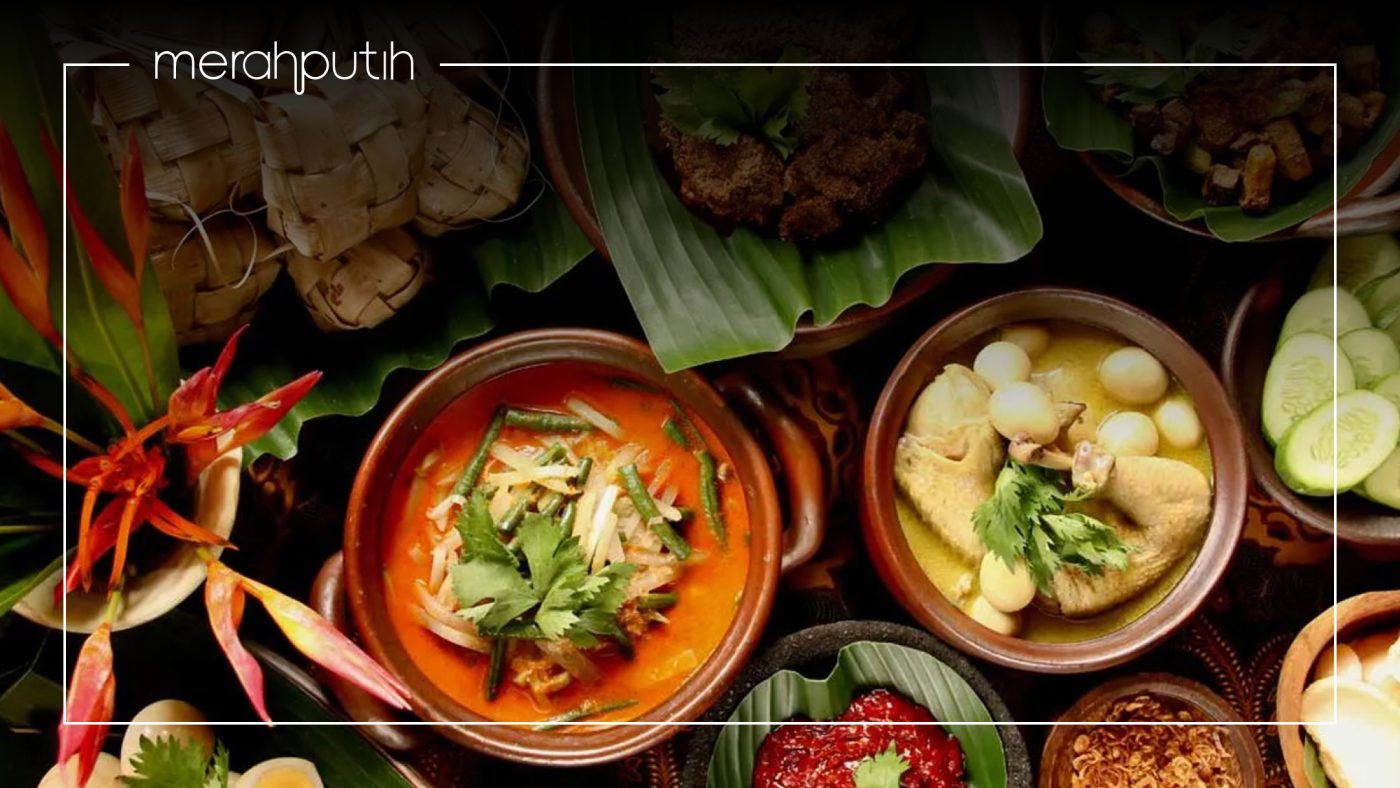
Like in many Southeast Asian countries, Indonesian dining is fundamentally communal. Traditional meals feature multiple dishes placed in the centre of the table, with everyone taking small portions from each to create their own combination on their plate.
First-time visitors often make the mistake of ordering individual dishes as if dining Western-style. This approach misses the point entirely. Indonesian meals are designed to be shared, allowing diners to experience multiple flavours, textures, and cooking styles in one sitting.
Order several different dishes for your group and share family-style. This not only provides better value but also gives you a more authentic sense of how Indonesians actually eat.
Indonesian food is more than just nasi goreng
Many visitors stick to internationally known dishes like nasi goreng (fried rice) and sate, never venturing to explore lesser-known Indonesian dishes. While these dishes are delicious, they barely scratch the surface of Indonesian culinary diversity.
Challenge yourself to try regional specialties, unusual ingredients, and dishes you can’t pronounce. Order the gudeg (young jackfruit stew) when you’re in Yogyakarta, or sample the pepes ikan (fish steamed in banana leaves). Try the rawon (black beef soup) from East Java, or the tahu gejrot (fried tofu with spicy sauce) from West Java. These less familiar dishes often become the most memorable parts of culinary exploration.
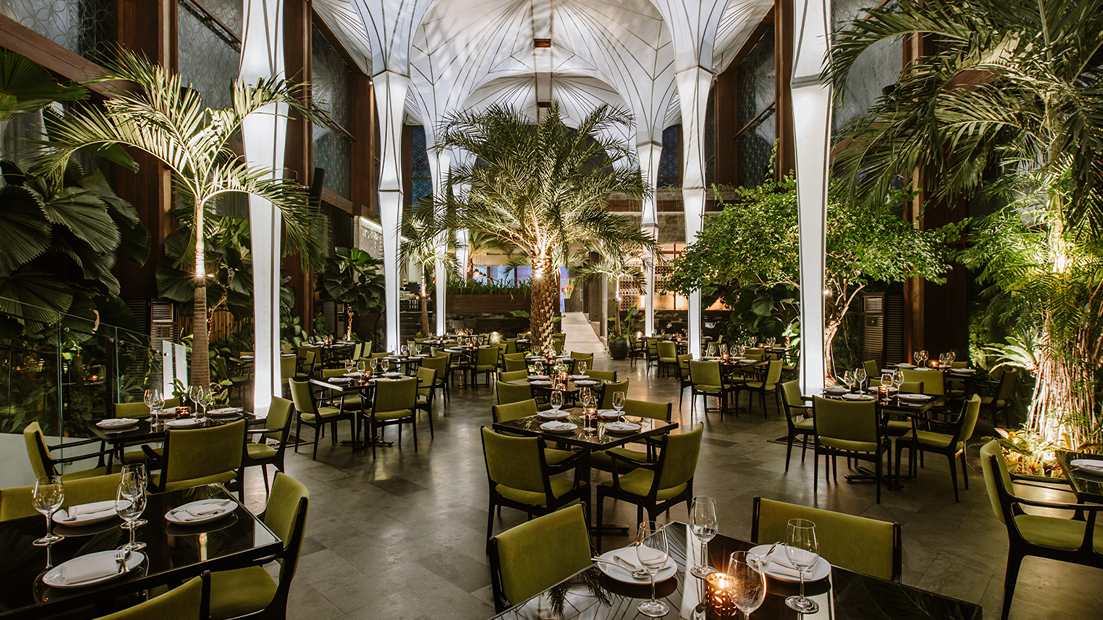
After broadening your understanding of Indonesian cuisine’s complexity and regional diversity, continue your culinary journey at Merah Putih restaurant in Seminyak. Here, contemporary Indonesian gastronomy showcases the archipelago’s diverse flavors while maintaining authentic cooking techniques and traditional recipes.
From Padang classics to Javanese specialties and Balinese innovations, Merah Putih offers an introduction to Indonesian cuisine’s remarkable range.
Book your table at Merah Putih with special gift vouchers today.
FAQ
Although nasi goreng (fried rice) and sate (satay) are some of the most widely known Indonesian dishes, the country’s cuisine varies dramatically by region. First-time visitors often make the mistake of thinking “Indonesian food” is a single, unified cuisine when it’s actually an umbrella term for diverse culinary traditions.
The Indonesian Ministry of Tourism and Creative Economy named soto, rendang, sate, nasi goreng, and gado-gado as Indonesia’s five national dishes in 2018.
Indonesian street food vendors often specialize in a single dish they’ve perfected over years or even generations. The best sate (satay), mie ayam (chicken noodles), and bakso (meatball soup) often come from humble carts and warungs rather than fancy restaurants.Assorted fritters or gorengan is also a popular street food, often serving as snacks for locals.