
In 2025, Bali recorded close to 6.95 million direct foreign arrivals, up almost 10% from the year before. As one of the world’s most popular tourist destinations, the island has had to develop and adjust to the ever-growing number of visitors, especially in the post-pandemic era.
Over the years, traffic in Bali has increased, especially in the popular area of Canggu. Driving here can be a hassle whether you’re on a motorbike or car, and there have been many instances of terrible congestion that have gone viral. To keep up with the tourism boom, the Canggu shortcut was made.
Key Takeaways
- Before and after: the original shortcut was once a one-way road flanked only by rice fields; today it’s lined with buildings on both sides, which has also disrupted the local subak irrigation system.
- Safety on the shortcut: confirm your travel insurance covers motorbike accidents before renting a scooter in Canggu, as many standard policies exclude it. Riders also need a licence that covers motorbikes, either an International Driving Permit with a motorcycle category or an Indonesian SIM C.
- Why can’t they just widen it? Hindu places of worship stand along the route, and Bali’s Vice Governor has said the road cannot be widened
- What’s coming next? A water taxi from the airport to Berawa is still at the design stage with no construction date, while a new road linking Berawa and Umalas is due for completion around December 2026.
- Getting around today: Grab, Gojek, a private driver, or a scooter all work, but plan around the morning and late-afternoon rush hours, and expect pickups near the beachfront to take some patience.
What is the Canggu shortcut?
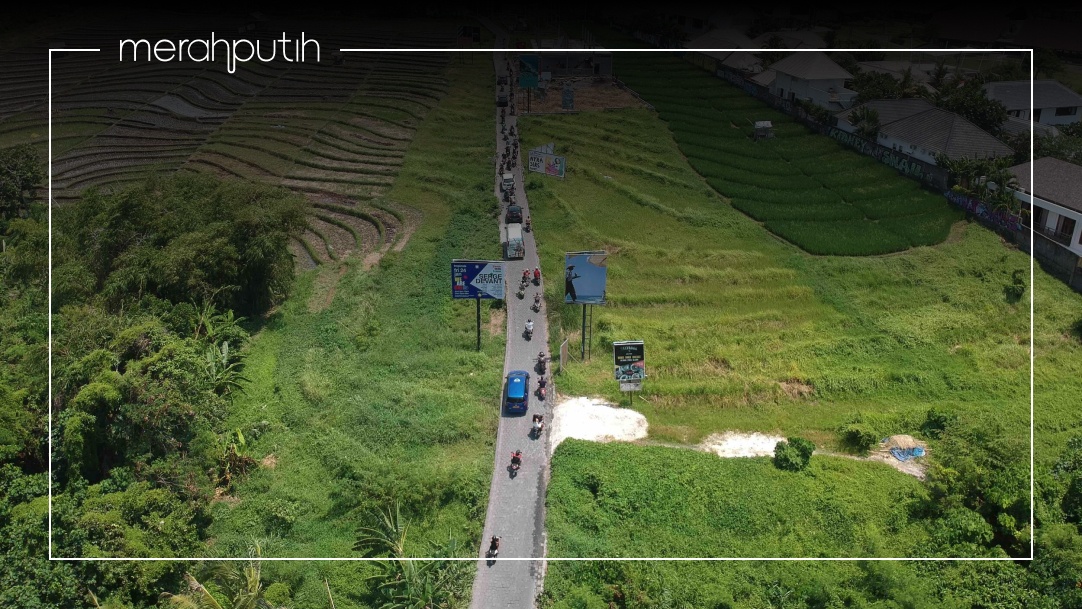
The Canggu shortcut is a narrow path of road that runs through the rice fields in Bali’s Canggu area. The shortcut was initially paved and opened to curb congestion issues in the growing tourist spot.
Why was the shortcut made?
Before the tourism boom, Canggu was mostly an agricultural area, with rice fields across three small villages near the coast. Each village was connected to a nearby beach by its own road.
Kuta and Seminyak were the established tourist areas long before Canggu. However, as the number of visitors increased, so did the demand for accommodation and entertainment. The crowd moved further north, meaning Canggu had to adjust and develop in order to host more tourists.
Instagram-worthy restaurants, brunch spots, bars, as well as digital nomad-friendly hubs began to open up around the area. Soon, Canggu became Bali’s newest “it” destination and traffic became a problem. The Canggu shortcut was a solution to curb the increasing congestion in the area.
For a period of time, the shortcut became the go-to route for locals and tourists alike. Going through the narrow roads saved time and allowed for easier exploration of the area. However, this infrastructure was not prepared for the crowd that would overwhelm Canggu, especially after the pandemic.
Where exactly is the Canggu shortcut located?
As of today, there are actually two shortcuts in Canggu.
The original one runs from Jalan Subak Canggu to Jalan Anggrek, linking the Berawa area to Batu Bolong, which is the main street in Canggu. This shortcut is a narrow road and lets cars travel in one direction only, from the Canggu side toward Berawa. It takes about 15 minutes without traffic to travel through this entire stretch.
The newer shortcut opened in 2024 and connects Jalan Raya Canggu to Jalan Raya Kerobokan. This shortcut was made to curtail the increasing traffic on this part of the island. However, it has made congestion worse so far as it creates a bottleneck for cars and motorbikes.
How has the Canggu shortcut made a difference?
Although created to minimise traffic, congestion on the shortcut itself has gotten worse over time as it has become a daily route for many. Both shortcuts will often come to a standstill, costing more travel time instead of saving it.
Additionally, miles of rice fields have been flattened out to make these roads possible. In the beginning, the Canggu shortcut was a one-way street flanked by rice fields and only accessible by motorbike. Today, there are only buildings and development on either side of the road. This affects the subak irrigation system in the area, and chips away at what Canggu was originally known for.
Despite this impact, many still choose to frequent the shortcut as it is still a more viable option than going the long way to explore Canggu’s streets and shores.
Navigating Canggu’s traffic: tips for first-time visitors
First-time visitors are right to plan their transport before arriving. Canggu is compact enough to explore thoroughly, but the road network was not built for current volumes. A few practical decisions before you land will save more time than any shortcut.
Scooter rental
Renting a scooter remains the most flexible way to move around Canggu. You can weave through slower traffic, park almost anywhere, and reach spots that cars cannot. That said, the roads here demand genuine caution, particularly on the shortcut itself where narrow lanes, motorbike couriers, and construction vehicles converge without warning.
If you are not already confident on a motorbike, Canggu is not the place to learn. A short lesson before you venture onto the main roads is worthwhile.
Before you ride, check four things:
- Licence: you need a licence that covers motorbikes, either an International Driving Permit with a motorcycle category alongside your home licence, or an Indonesian SIM C, which mostly suits long-stay residents. Police checks are reported to be more frequent in Canggu, and riding without the right licence typically means a fine of IDR 300,000 to 500,000.
- Insurance: confirm your travel insurance covers motorbike accidents, as many standard policies do not. Cover can also be void if you ride without the correct licence.
- The scooter: choose a reputable shop with good recent reviews, and inspect the brakes, lights, tyres, and any existing damage before you accept it. Daily rates typically run from about IDR 70,000 to 150,000 depending on the model.
- Helmet: wear one every time. It is mandatory for both the rider and the passenger.
Grab and Gojek
Both Grab and Gojek operate across Canggu and offer car services (GoCar/GrabCar) and motorbike taxis (GoRide/GrabBike). Prices are fixed at the time of booking, which removes any negotiation. For those who prefer not to ride themselves, a GoRide can navigate congestion almost as quickly as a scooter. For groups or those with luggage, a GoCar is the more comfortable option.
Bear in mind that surge pricing applies during peak hours. Booking a few minutes before you need to leave, rather than at the exact moment traffic spikes, can help keep fares predictable.
Pickups can be slow near the Batu Bolong and Berawa beachfronts, where drivers often avoid the main entrances because of congestion and pickup restrictions. Walking a few minutes inland before you book usually helps. If an app ride is not working out, Bluebird metered taxis, booked through the MyBluebird app, are a reliable fallback.
Private driver for the day
For day trips further afield, hiring a private driver is one of the most comfortable and cost-effective options when split across a group. Many hotels and villas can arrange this, or drivers can be found through local recommendations.
A full day typically costs roughly IDR 600,000 to IDR 1,000,000 per car, not per person, depending on the vehicle and route. Fuel and the driver are usually included, while tolls, parking, and entrance fees may be charged separately, so confirm what is covered before you book.
Timing your movements
Canggu follows Bali’s general rush hour pattern: roughly 7.00 to 9.00 in the morning, and from around 16.00 in the afternoon, when traffic builds toward the beaches for sunset. Leaving before the morning rush, or travelling between the two rush windows, gives you the best chance of a clear run.
The shortcut adds its own unpredictability, since a stalled delivery vehicle or construction work can narrow the lane and bring it to a standstill at almost any hour. Sunset is a pinch point of its own, particularly around the Berawa beachfront, so arrive early or walk the last stretch. Weekends, public holidays, and peak season add further delay across the whole area.
Beyond the shortcut: alternative routes and what’s coming next
The shortcut was always a stopgap solution, and officials have acknowledged its limits. Widening the road is not an option, as it is hemmed in by Hindu places of worship that cannot be moved.
Alternative land routes
For those who want to avoid the shortcut entirely, the longer route via Jalan Raya Kerobokan adds time but can be less unpredictable. When the shortcut backs up completely, the main road can actually move faster. Jalan Raya Canggu between Berawa and Batu Bolong is also a regular bottleneck, so a live map matters more than any fixed rule. Waze and Google Maps tend to give accurate real-time guidance on which option is quicker at any given moment, and both are worth checking before you commit to a direction.
Smaller inland roads through the rice field areas north of Canggu do exist, though conditions vary and some are only navigable by scooter. These are best explored on foot or by bicycle if you are simply moving between nearby spots, rather than as a genuine shortcut between Berawa and Batu Bolong.
The airport to Berawa water taxi: where it stands
A water taxi linking Ngurah Rai Airport to Berawa Beach in Canggu is a proposal for bypassing the road altogether. The planned route runs from Sekeh Beach, near the airport, to Berawa Beach, and is estimated by the Ministry of Transportation at around 30 minutes, compared with one to two hours by road. The initial investment has been put at about IDR 1.21 trillion.
Bali’s Vice Governor, I Nyoman Giri Prasta, said in May 2026 that the Canggu shortcut cannot be widened because of nearby Hindu places of worship, and that the sea route should be pursued.
As of October 2026, the project has reached the technical design stage but is not yet being built. The latest design lengthens the breakwaters at the Berawa pier from about 540 metres to roughly 1.3 kilometres to accommodate larger vessels, and the Coordinating Ministry for Infrastructure has asked for further study of environmental impact and sedimentation before any physical work begins.
No firm construction start date has been announced, and questions over funding and which agencies do what are still unresolved. An earlier target of starting construction in August 2026 has already passed, so treat the water taxi as a future option rather than something to plan a trip around.
A private sea taxi option available now
While the government route is still in planning, a private operator called GoBoat already runs scheduled boat transfers along Bali’s west coast, linking Canggu with Uluwatu, Jimbaran and Nuanu. This is not a replacement for the planned airport route. Journey times, schedules and prices vary, so check GoBoat’s booking system before you plan around it.
New roads and rail on the way
As of October 2026, several projects aimed at the Canggu corridor are at different stages, from under construction to early planning.
- Berawa to Umalas link: a new road connecting Subak Sari and Batu Bolong with Umalas and Semer has been under construction since mid-June 2026 under a 210-day contract signed on 12 May, which puts completion around December 2026.
- Airport to Canggu tram: on 1 September 2026, the Bali provincial government and Badung regency signed a cooperation agreement with state railway company KAI for a battery-powered tram of about 12 km between Ngurah Rai Airport and Canggu. A technical study is still to be carried out, groundbreaking is planned for March 2027, and the first section is targeted to open in 2028, with the full line in 2029.
- Kerobokan link with a tunnel option: Badung is exploring a new road from Jalan Gatot Subroto Barat toward Canggu, with an underground tunnel of about 2.4 km and electronic road pricing under consideration. It is still at the study stage, with Badung targeting 2027 for its priority infrastructure projects, pending financing.
Is Canggu still worth visiting?
The traffic is real and should not be dismissed. But Canggu’s appeal has not changed. The concentration of good restaurants, surf breaks, creative spaces, and the general energy of the place remain as strong as ever. What has changed is that visiting it now requires a little more planning than it did five years ago. If you’re still weighing up whether Bali as a whole is worth the trip despite challenges like this, the article Is Bali Worth It? makes the case. For Canggu specifically, though, the answer comes down to a few practical decisions.
The most straightforward approach: stay in or close to Canggu if it is your primary destination, time your movements around peak hours, and use Grab or a scooter for short trips rather than relying on a car through the shortcut. The area rewards visitors who treat it as a base rather than a day trip.
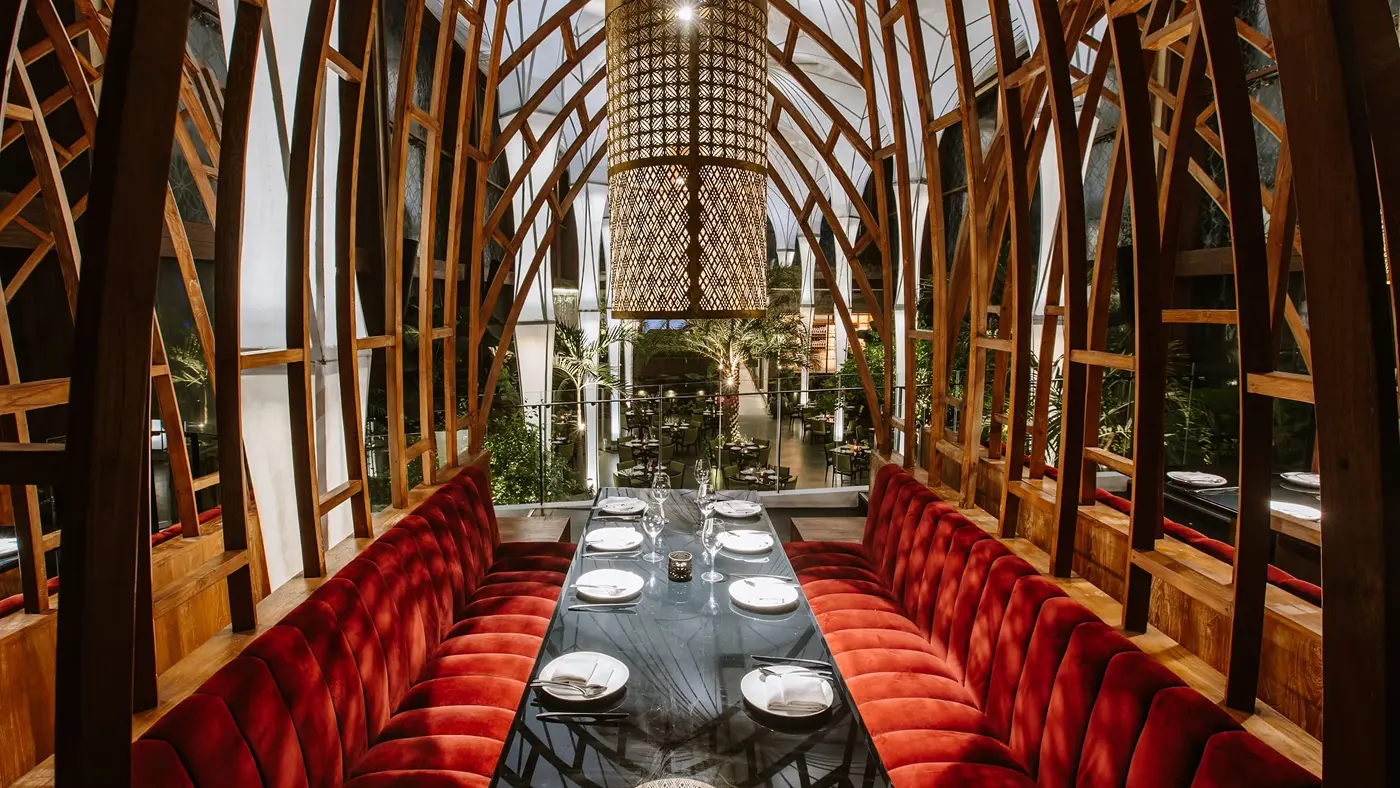
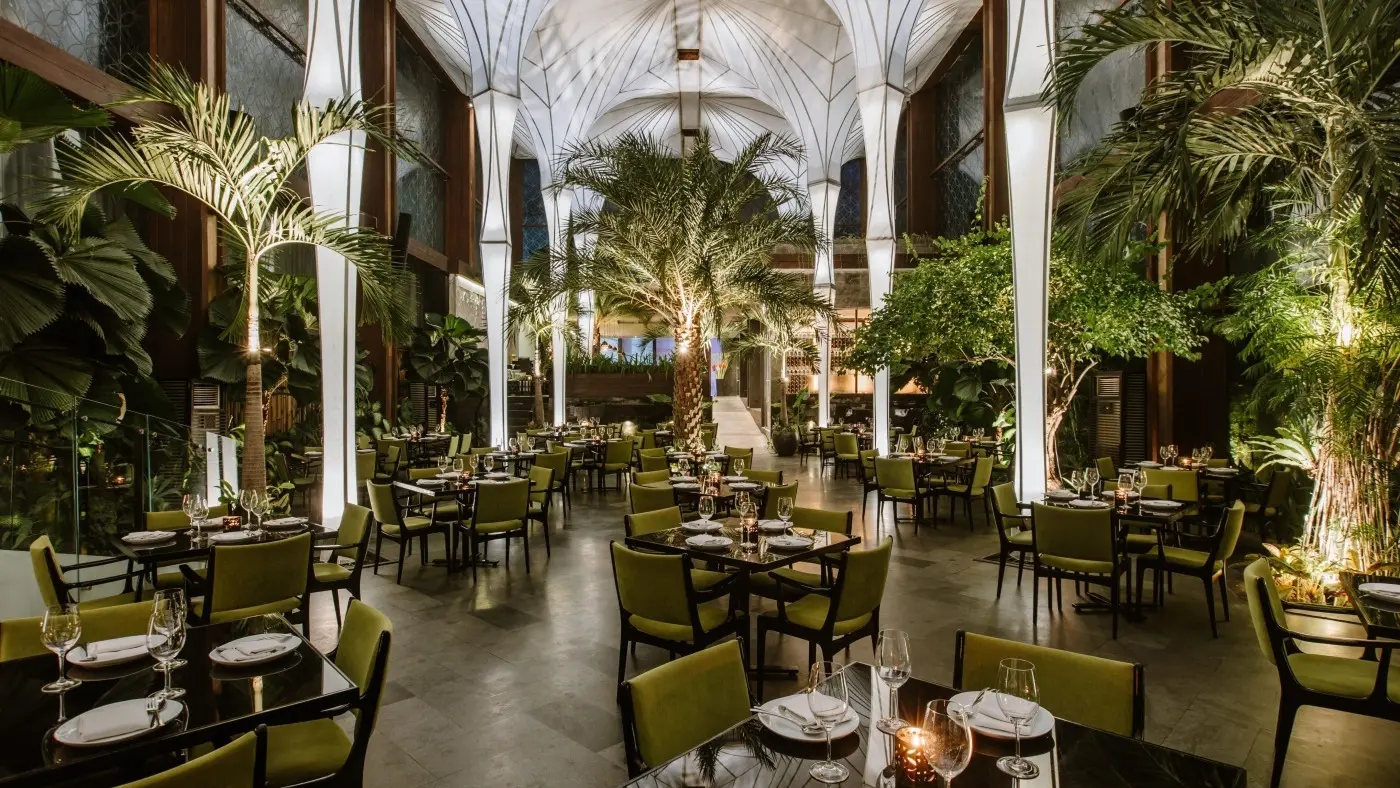
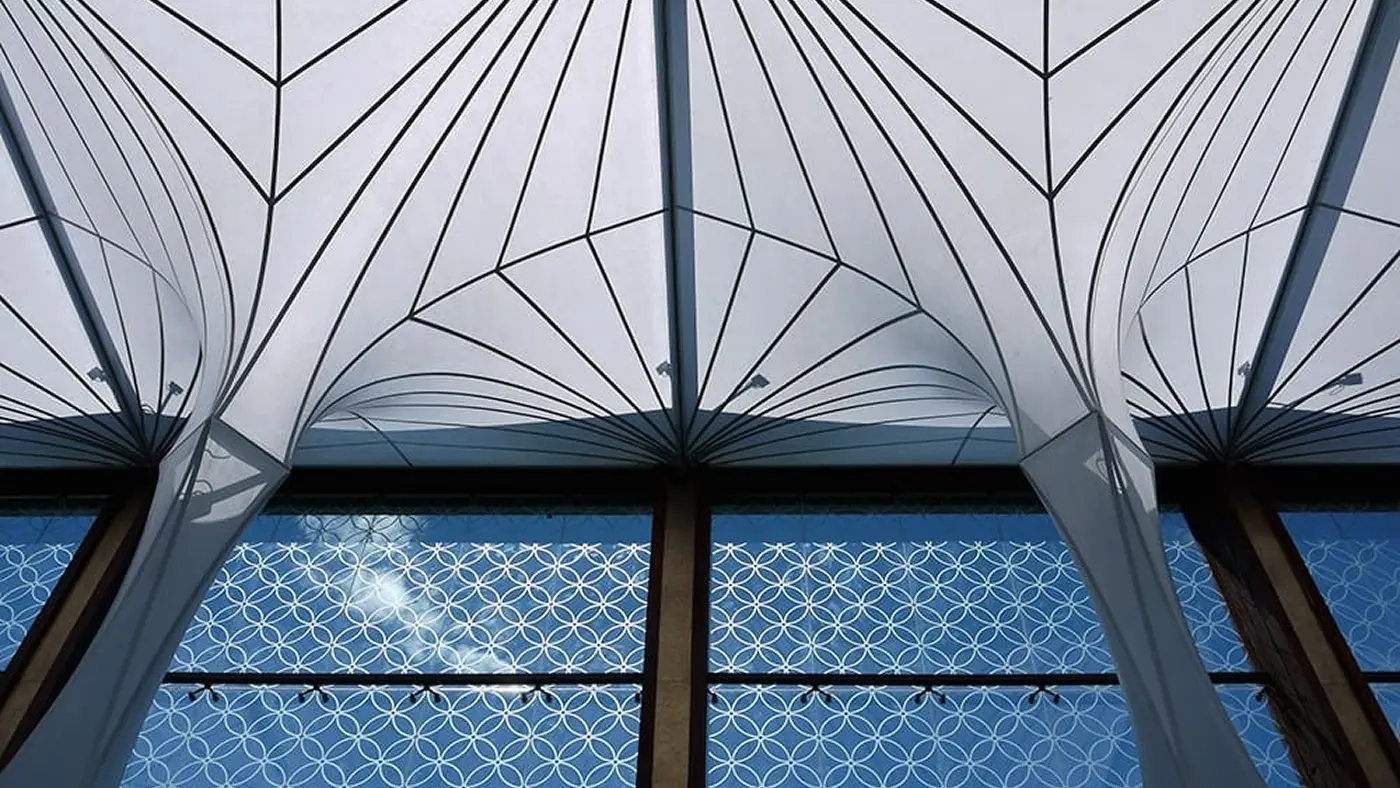
If all of this has left you ready for a meal that does not involve sitting in traffic to reach it, Merah Putih is in Petitenget, a quieter stretch of road a few kilometres east of the shortcut. The restaurant covers the breadth of the Indonesian archipelago through its menu, and the high-ceilinged dining room is about as far removed from a Canggu gridlock as you can get without leaving the area.
Book a table and make use of exclusive gift vouchers on your visit.

An Indonesian Dining Experience Like No Other
FAQ
Jalan Pantai Batu Bolong is considered to be the main street in Canggu. This stretch of road is lined with endless options of retail shops, restaurants, and cafes before ending up at Batu Bolong beach.
As of today, there are actually two shortcuts in Canggu. The original one runs from Jalan Subak Canggu to Jalan Anggrek, linking the Berawa area to Batu Bolong, which is the main street in Canggu. The newer shortcut opened in 2024 and connects Jalan Raya Canggu to Jalan Raya Kerobokan.
Canggu has recently developed to become Bali’s new “it” destination because of its diverse array of Instagram-worthy restaurants, brunch spots, bars, as well as digital nomad-friendly hubs.
Although created to minimise traffic, congestion on the shortcut itself has gotten worse over time as it has become a daily route for many. Both shortcuts will often come to a standstill, costing more travel time instead of saving it.
By road, the trip is commonly put at one to two hours depending on traffic. Travelling outside the morning and late-afternoon rush hours gives you the best chance of the shorter end of that range.
Not yet. A route from Sekeh Beach near the airport to Berawa Beach is planned, but as of October 2026 it is at the technical design stage with no construction date announced. A separate boat service, GoBoat, runs between Canggu and Uluwatu.
Yes. You need a licence that covers motorbikes, either an International Driving Permit with a motorcycle category alongside your home licence, or an Indonesian SIM C. A helmet is mandatory for both rider and passenger.
It depends on the trip. A scooter or a GoRide/GrabBike is quickest through traffic, a GoCar/GrabCar suits groups and luggage, Bluebird taxis are metered, and a private driver works best for day trips.